

Lighting Cannabis Indoors 101
Cannabis Lighting is very important and can dramatically influence your hemp or marijuana plants. Getting your Indoor grow lighting down is critical for your Indoor cannabis grow success.
Although Redfern grows most of our industrial hemp outdoors, we still utilize light to start seeds indoor before transplanting into the ground in the early spring. But if you’re a Virginian who is going to take full advantage of growing your four cannabis plants permissible by VA law — then you most likely want to grow indoors out of sight from prying eyes!
This means you’ll want to know a thing or two about cannabis lighting(especially since you have to maximize your yield for only four plants). Join our Redfern growing experts as we walk you through a brief tutorial on the indoor lighting for basics for cannabis.
Four Cannabis Lighting Lessons
Lesson 1: Choosing the Right Light
When it comes to lighting for your indoor cannabis grow, quality matters. Investing in a high-performance lighting system is crucial for optimal plant growth, bud development, and overall yield. While there are several options available, LED lights have emerged as a popular choice due to their numerous advantages.
LED lights offer exceptional energy efficiency, consuming significantly less electricity compared to traditional lighting technologies such as fluorescent or HID lights. This not only reduces your energy costs but also helps to minimize your carbon footprint. Additionally, LED lights produce minimal heat, which is beneficial for maintaining a cool and controlled growing environment. Excessive heat can stress your plants, leading to slower growth, reduced yields, and potential damage.
Furthermore, LED lights offer a wide range of spectral options, allowing you to customize the light spectrum to suit the specific needs of your cannabis plants at different stages of their growth cycle. This flexibility enables you to optimize photosynthesis, promote healthy growth, and enhance the production of cannabinoids and terpenes, the compounds responsible for cannabis’ unique effects and flavors.
When selecting LED lights, consider factors such as wattage, spectral output, and coverage area. Higher wattage lights generally provide more light intensity, but you’ll also need to ensure that your plants are not too close to the lights, as this can lead to scorching. The spectral output should be balanced, providing a mix of blue and red wavelengths, which are essential for plant growth and flowering. Finally, choose lights with a wide coverage area to ensure that your plants receive uniform light exposure.
Lesson 2: Maintaining Proper Distance
Adjust the height of your lights based on your plants’ growth stage and size. During the vegetative stage (greening), keep lights 36-48 inches above your plants. As plants enter the flowering stage, maintain this distance initially. Once bud sites form, gradually raise the lights every two weeks to prevent scorching. However, avoid raising the lights too quickly or too high, as this can cause your plants to stretch and become leggy. The goal is to maintain a close enough proximity to provide adequate light for optimal growth and bud development, while also preventing the plants from becoming stressed or scorched.
Remember, the ideal distance can vary depending on the specific type of LED lights you are using, the size of your plants, and your desired growth characteristics. Experiment with different heights to find the optimal distance for your setup. Additionally, consider using a light meter to measure the light intensity at your plants’ canopy level. This can help you ensure that your plants are receiving adequate light for their stage of growth.
Lesson 3: Understanding Cannabis Light Cycles
Photoperiod cannabis plants are sensitive to light cycles and require specific amounts of light to transition between growth stages. During the vegetative stage, these plants need long days and short nights to promote growth and development. This can be achieved by providing 18-24 hours of light per day. This consistent exposure to light will encourage the plants to focus on growing strong stems, leaves, and root systems.
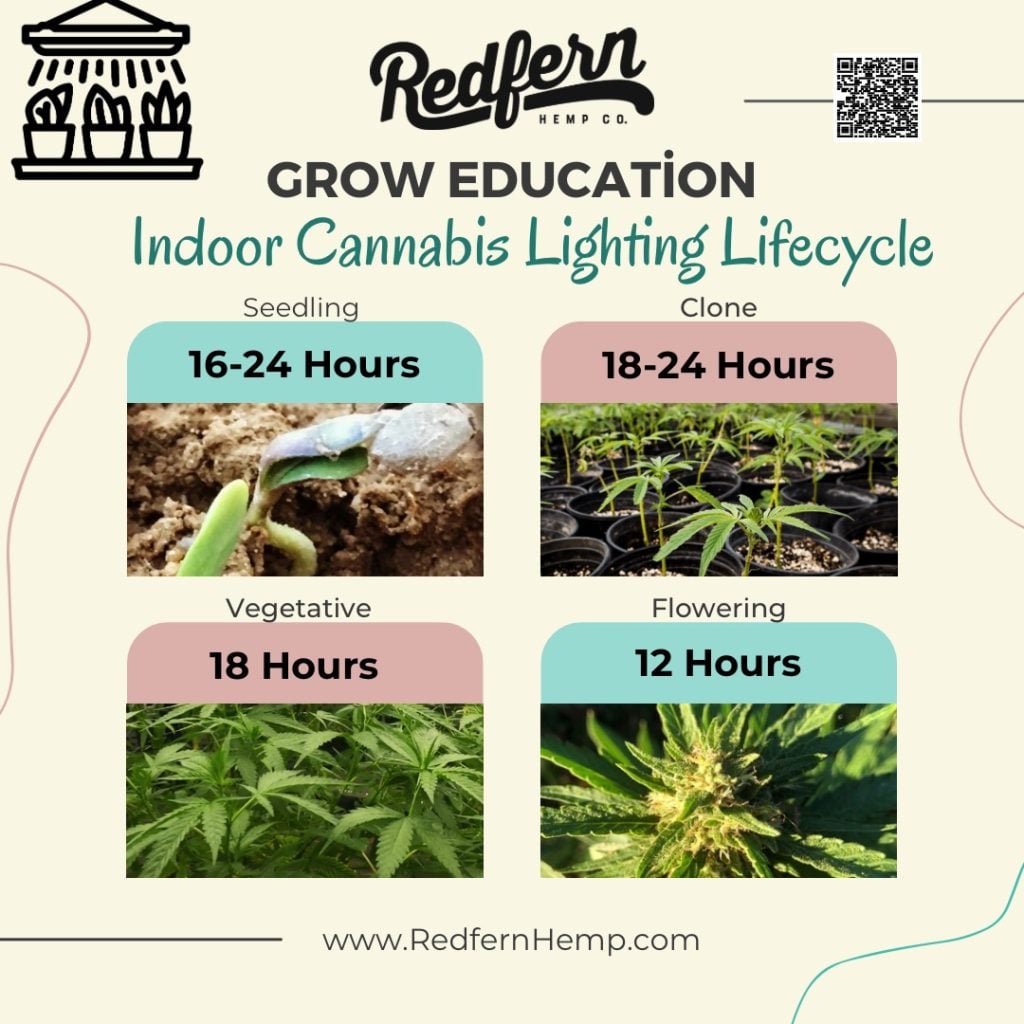
As plants enter the flowering stage, they need a change in light cycle to trigger the production of flowers. This is accomplished by providing a 12-hour light cycle, followed by 12 hours of darkness. This alternation of light and dark periods simulates the natural shortening of days in the fall, signaling to the plants that it is time to flower. By providing the correct light cycle, you can optimize your plants’ growth and maximize their yield.
Lesson 4: Creating a Reflective Environment
Maximizing light utilization is essential for optimizing your indoor cannabis grow. By creating a reflective environment, you can effectively bounce light back onto your plants, ensuring that they receive the maximum amount of illumination. This not only improves overall plant growth and bud development but also helps to reduce energy consumption.
Here are some tips for creating a reflective grow space:
- Paint the walls white: A bright white color will reflect light most efficiently. Consider using a high-quality interior paint designed for maximum reflectivity.
- Use Mylar sheeting: Mylar is a highly reflective material that is commonly used in indoor grows. It is available in large sheets or rolls and can be easily applied to walls, ceilings, and floors.
- Install reflective tape: For areas that are difficult to paint or cover with Mylar, consider using reflective tape. This tape is available in various widths and can be applied to walls, ceilings, and other surfaces.
- Minimize light leaks: Ensure that your grow space is completely dark when the lights are off. Any light leaks can disrupt the plants’ natural light cycle and interfere with their growth and development. Seal any gaps or cracks in your grow room to prevent light leaks.
By implementing these strategies, you can create a highly reflective environment that maximizes the efficiency of your grow lights and promotes optimal plant growth.
Additional Tips:
- Prevent Light Leaks: Ensure your grow space is completely dark when lights are off to avoid triggering hermaphroditism.
- Beware of Power Strip Lights: The small red light on power strips can cause light leaks. Consider using a power strip without a light or covering it with tape.
- Showcasing Your Grow: If you want to show off your plants without turning on the lights, use a green light. Cannabis plants cannot see green light, so it won’t disrupt their growth cycle.
By following these lighting guidelines, you can create an optimal environment for your indoor cannabis plants to thrive and produce high-quality buds.