

Richmond Embraces Richmond’s Bee City Initiative: Transforming Urban Landscapes for Pollinators
Richmond is taking significant strides in environmental conservation through its Bee City project, demonstrating a comprehensive approach to supporting local ecosystems and pollinators. The city has gone beyond merely adopting a title, actively transforming public and private landscapes to create sustainable habitats.
At the heart of this initiative is a remarkable 6,000 square foot native plant garden, planted with locally adapted seeds and native plant plugs. The project, funded by with a grant received by Virginia Outdoor Foundation, showcases the city’s commitment to ecological restoration. Following the gardening adage about the growth of meadows: “first year they sleep, second year they creep, third year they leap,” the site is now entering its most vibrant growth phase.
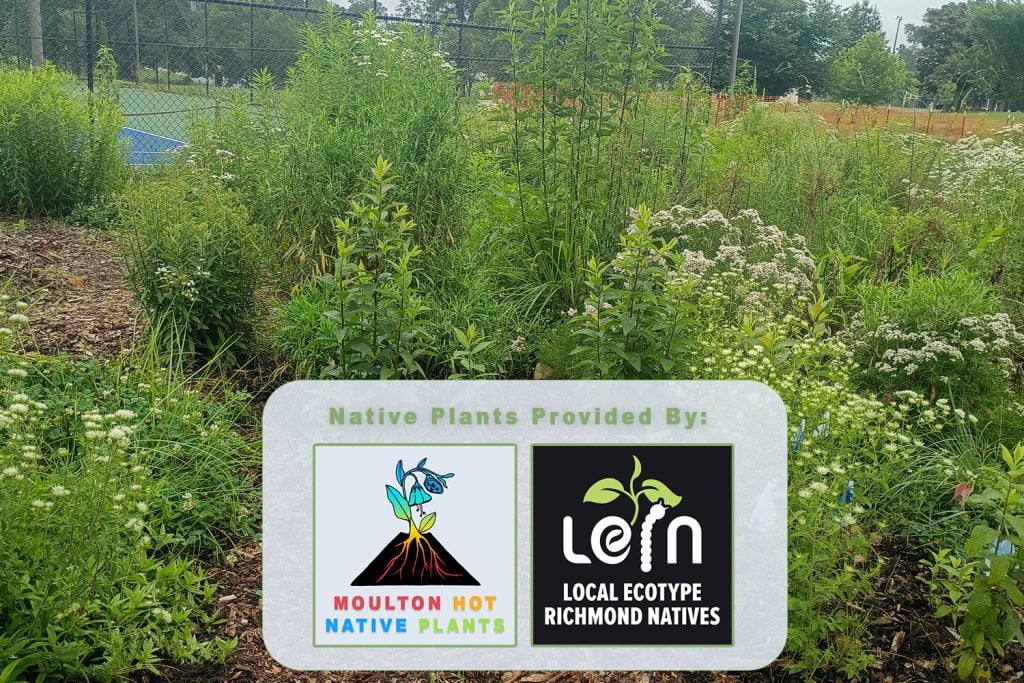
Community involvement is crucial to the project’s success. Local residents are increasingly incorporating native perennials into their yards, tree wells, and street strips, creating a network of pollinator-friendly spaces. The Parks and Recreation department is actively encouraging participation through multiple channels, including:
Richmond Unites to Protect Virginia’s Pollinators
[su_image_carousel source=”media: 10733,10734,10736,10735,10737″ limit=”2″ slides_style=”minimal” controls_style=”light” crop=”none” align=”center” max_width=”80%” captions=”yes” dots=”no” link=”lightbox”]
– An informative website with event calendars
– An Instagram account for real-time updates
– Volunteer opportunities during events like National Pollinator Week
– Upcoming work days at sites like the Capital Tree’s Lowline and Dell Meadow at Byrd Park

Bee City Richmond is Changing the Culture for Good
A key insight from city officials is that while only 20% of land is publicly owned, individual actions on private properties can create substantial environmental impact. By transforming small areas into native plant habitats, residents can collectively support local biodiversity and pollinator populations.
The Bee City initiative represents more than a landscaping project—it’s a community-wide commitment to environmental stewardship, demonstrating how local actions can create meaningful ecological change.
