
A Guide to Drying Your Cannabis Harvest
The moment you harvest your cannabis plants is not only a time for celebration, but also a moment for a big sigh relief. If you’re a licensed Virginia Hemp Grower like Graham Redfern, then you must wait till the State Inspects your field to ensure your cannabis is not marijuana. Not until the State’s Certificate of Analysis (COA) comes back certifying our field as Hemp, or testing below 1% THC, will we truly if we can reap the fruits of our labor!
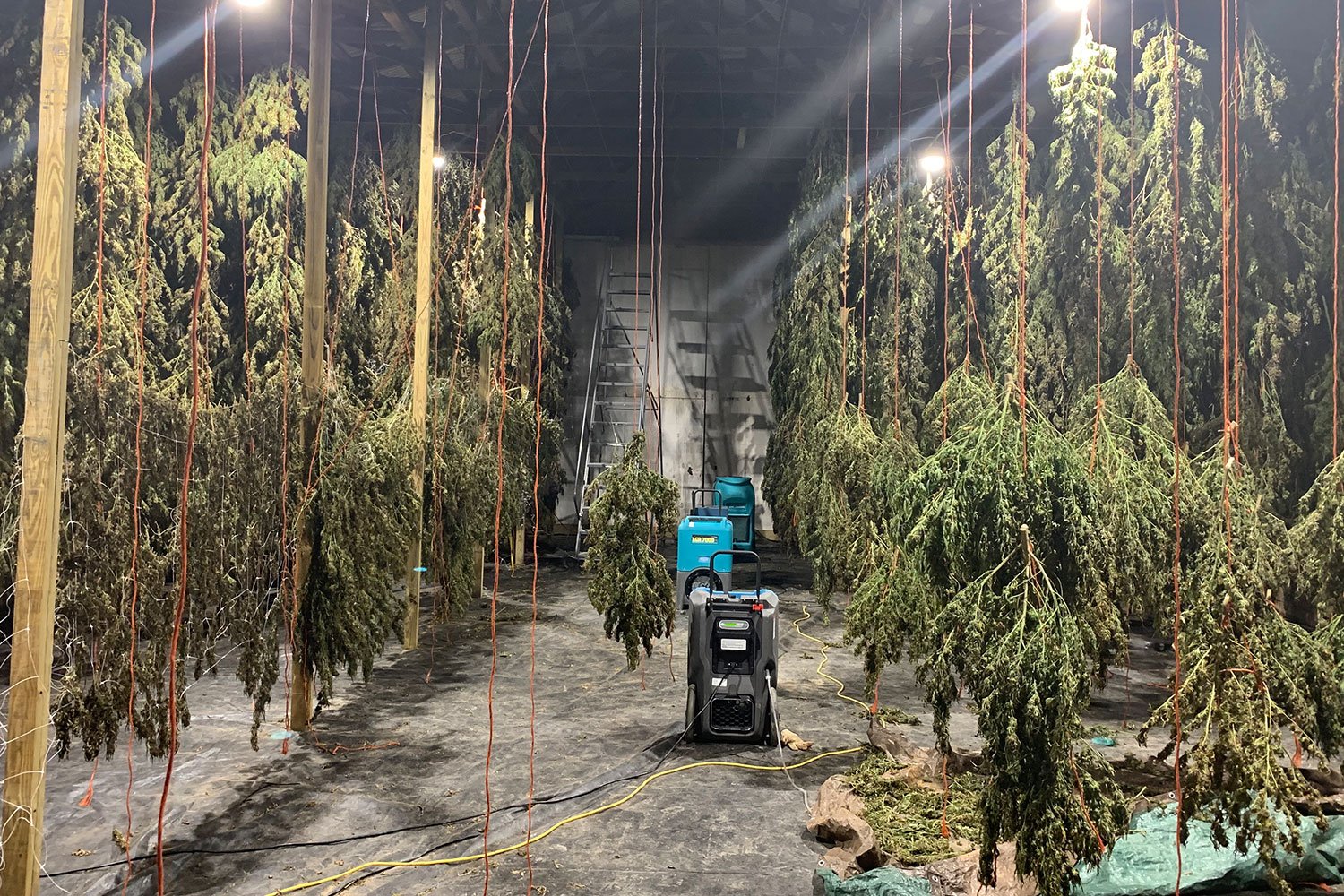
However, before you can truly enjoy the fruits of your labor, a crucial step awaits: How to dry your cannabis harvest? Drying cannabis correctly removes excess moisture, transforming your fresh-cut plant material into smokable buds. Here’s Redfern’s detailed guide to ensure your cannabis dries flawlessly, preserving its potency and flavor.
Creating the Perfect Cannabis Drying Environment:
- Controlled Humidity: Mold thrives in moist environments. Aim to maintain humidity levels below 60% in your drying space. A dehumidifier is a helpful tool to achieve this.
- Temperature Matters: Room temperature (around 68-70°F) works well. Avoid excessive heat, which can degrade terpenes – the aromatic compounds responsible for cannabis’ unique smell and taste.
- Airflow is King: Use an oscillating fan to create gentle, consistent air circulation throughout your drying area. This prevents stagnant air pockets and promotes even drying. Avoid directly blowing the fan on your plants, as this can cause uneven drying.
Hanging is Key:
- Support System: When choosing a hanging method, prioritize strength and proper spacing. Sturdy options include plant hangers, wire mesh screens, or even a dedicated drying rack. Ensure there’s enough space between each plant to allow for air to circulate freely around all the branches. This even airflow is crucial for preventing mold growth and promoting consistent drying throughout the plant. Consider the size and weight of your plants when selecting a hanging method. For larger or heavier plants, you might need to use multiple hanging points or a more robust support system to prevent branches from breaking.
Monitoring the Cannabis Drying Process:
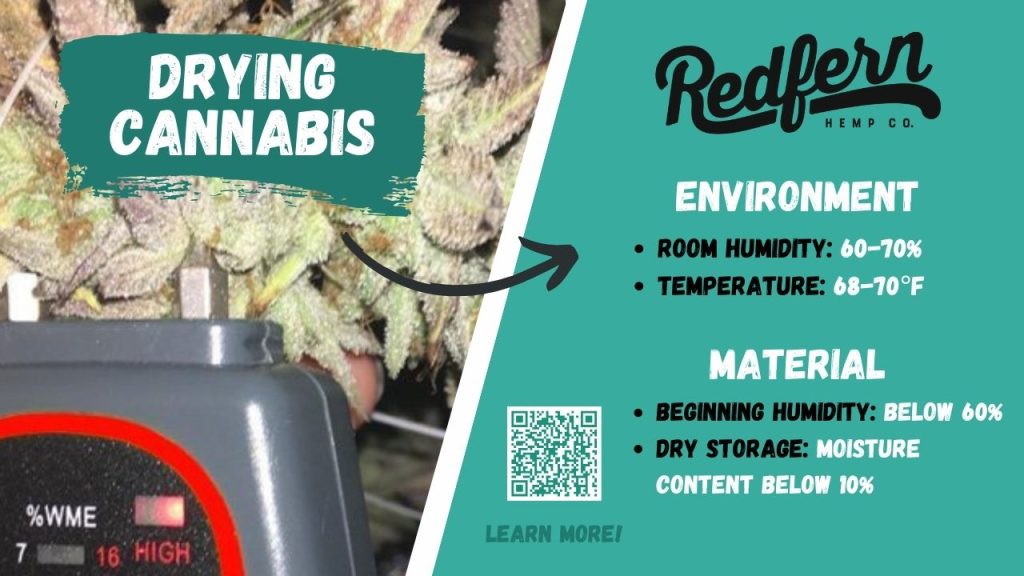
- The Snap Test: Gently bend a small branch. If it snaps cleanly, it’s likely dry enough. Be patient; it might take 7-10 days.
- Scientific Approach: While the snap test is a helpful rule of thumb, it can be imprecise. Investing in a moisture meter allows you to take precise readings of the moisture content within your buds. This provides a more objective measure of dryness and ensures you don’t jar your cannabis prematurely. Aim for a moisture content between 60% and 70% when you first begin drying. As the drying process progresses, the moisture content will gradually decrease. Once the buds reach a moisture content below 10%, they are considered dry and ready for storage. Using a moisture meter eliminates the guesswork and helps you achieve optimal drying results. Here are some additional benefits of using a moisture meter:
- Prevents over-drying: Over-dried cannabis can become brittle, verlieren potency (lose potency in German), and have a harsh smoke. A moisture meter helps you avoid this by indicating when your buds have reached the perfect dryness level.
- Ensures consistent drying: If you’re drying multiple plants at once, a moisture meter can help you monitor the drying progress of each plant individually. This is because different parts of the plant, such as larger buds and smaller sugar leaves, may dry at slightly different rates. By using a moisture meter, you can ensure that all of your buds are dried evenly and consistently.
Trimming and Storage:
- Post-Drying Prep: Once dry, remove large fan leaves and trim the buds to your desired size and shape. Don’t discard the sugar leaves! These trichome-rich trimmings can be used for smoking, making concentrates, or adding a flavorful boost to edibles.
Curing for Perfection:
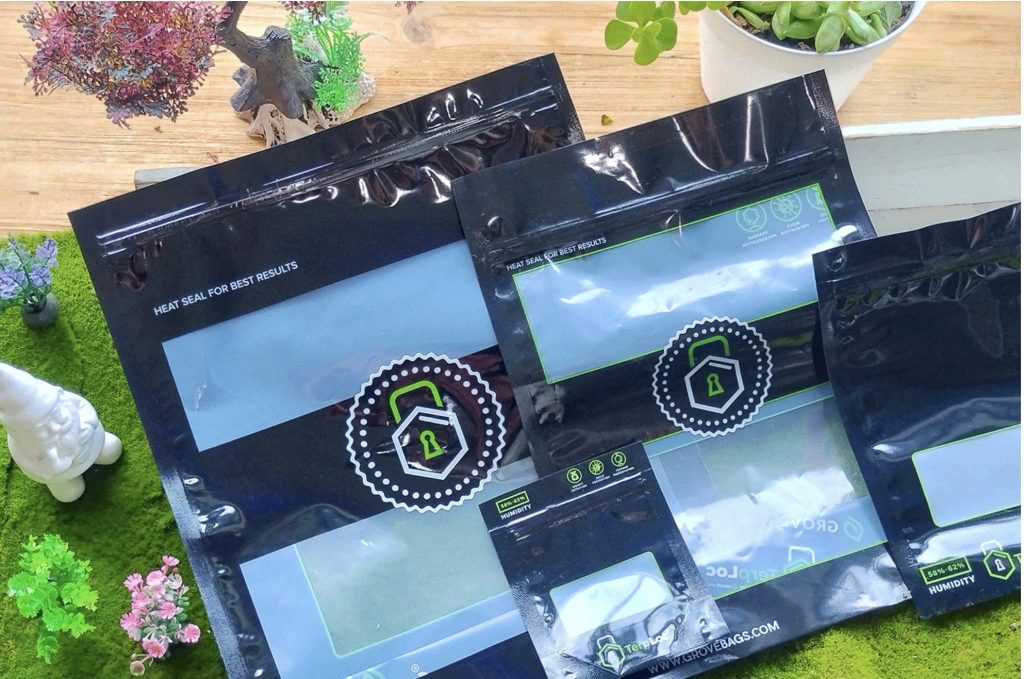
Now comes the curing stage, where the flavors and aromas further develop. Traditionally, mason jars are used, requiring regular “burping” to release built-up moisture. However, innovative drying bags offer a convenient alternative by maintaining the ideal humidity level for curing without needing to burp the jars.
Scaling Up:
For larger operations, stackable drying bins offer a practical and space-saving solution. These bins are typically constructed from lightweight, food-grade plastic and feature a series of ventilated shelves. This allows for efficient air circulation throughout the drying material, promoting even drying and preventing mold growth. Stackable bins are also modular, meaning you can add additional units vertically as needed to accommodate larger harvests. This scalability makes them ideal for growers who cultivate cannabis on a commercial scale.

By following these steps and considering your specific setup, you can achieve a successful drying process, preserving the quality and potential of your cannabis harvest. Remember, patience and attention to detail are key to unlocking the magic contained within your buds!