
By the early 1550s, England had reached a structural limit at a moment when the supreme naval powers of the age—Spain and Portugal—were carving up the world. These Iberian kingdoms did not merely discover new lands; they institutionalized exclusion. The Treaty of Tordesillas (1494) and its successor, the Treaty of Zaragoza (1529), were not symbolic lines drawn on maps. They were enforced geopolitical realities, underwritten by papal legitimacy and backed by lethal naval prowess and immense financial interests.
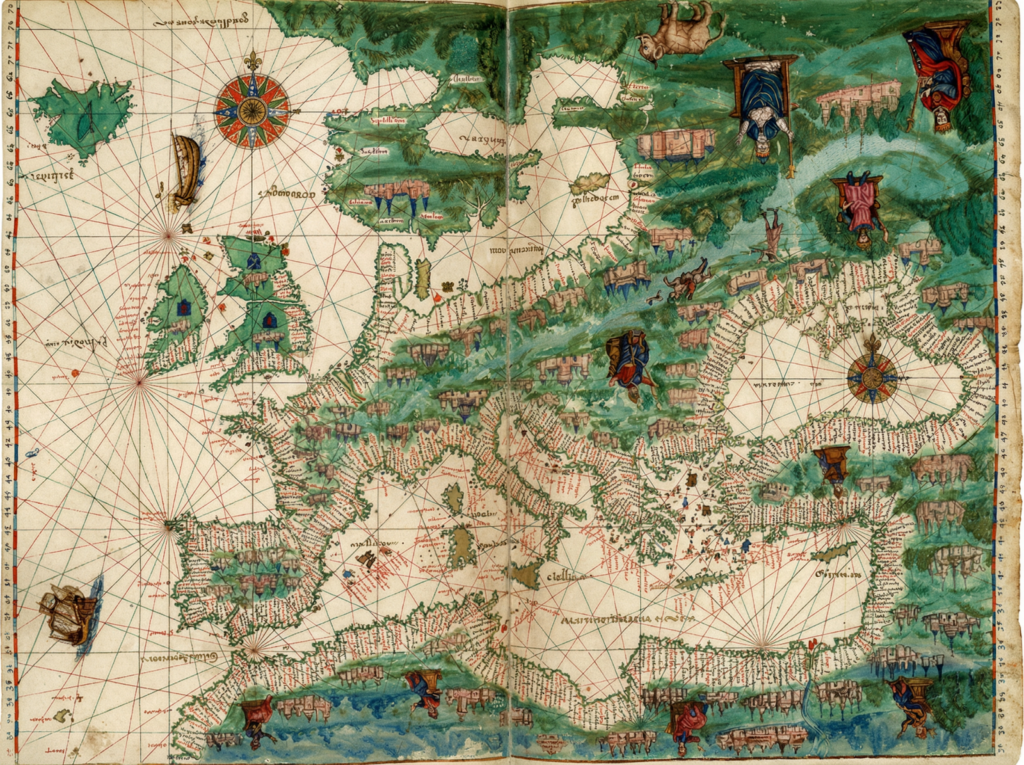
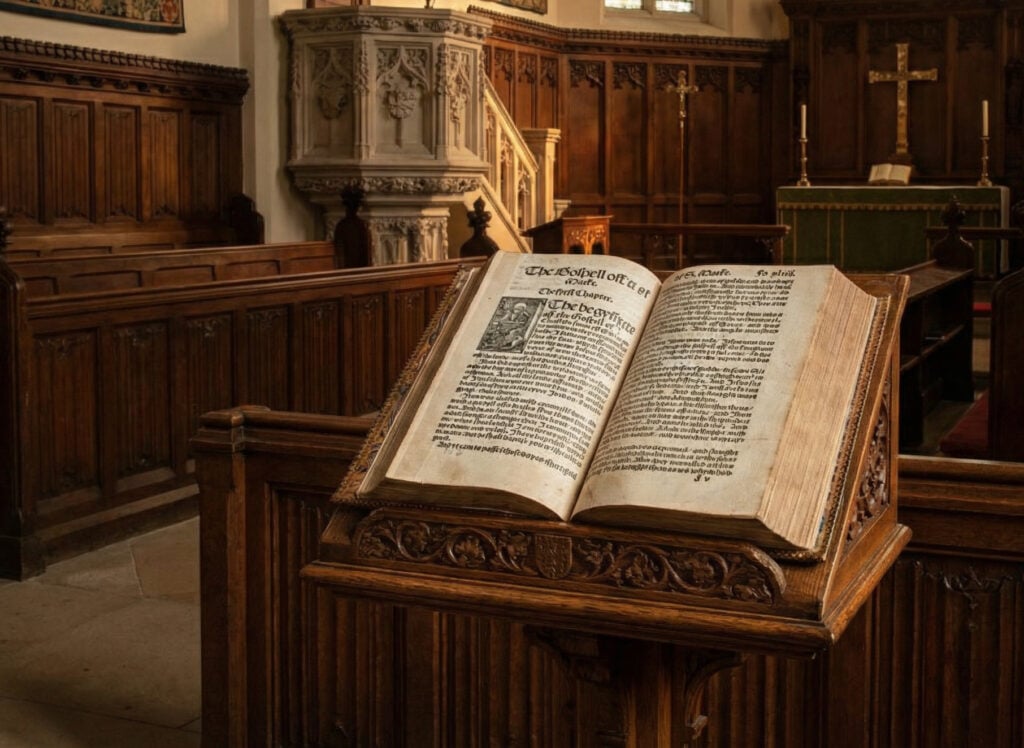
The Iberian empires controlled the warm-water routes, including the flow of bullion from the Americas and the spice trade around the Horn of Africa. These narrowly worded treaties solidified the early maritime powers’ fictitious legal authority, making monopoly appear moral. England, conspicuously absent from these agreements, was left to operate on the margins—through privateers, or worse, piracy. Moreover, the Protestant Reformation that rocked the realm in 1527, when Henry VIII sought an annulment of his marriage to Catherine of Aragon, did little to ameliorate animosities among the great naval powers of the day. Pope Clement VII refused the divorce, and Henry effectively asserted himself as the sole head of the English Church.
The shared resentment toward these Papal enforced treaties was famously expressed by Francis I of France, who declared, “The sun shines for me as it does for others. I would very much like to see the clause of Adam’s will by which I should be denied my share of the world.”
Drained by costly wars with Scotland and France, few understood England’s predicament better than John Dudley, the appointed Lord President of the Council. Dudley—1st Duke of Northumberland (1504–1553) was the chief adviser to Britain’s twelve-year-old king. Edward VI had been crowned in 1947, at the age of nine, and was the first Monarch to be raised Protestant from birth. As a former naval vice-admiral and Lord High Admiral from 1537 to 1547, the Duke understood his role as the King’s hand well. He understood discipline, command, and—critically—the mechanics of the merchant marine. In an age when exploration was inseparable from trade, Dudley was acutely aware of the risks and rewards of 16th century maritime trade.
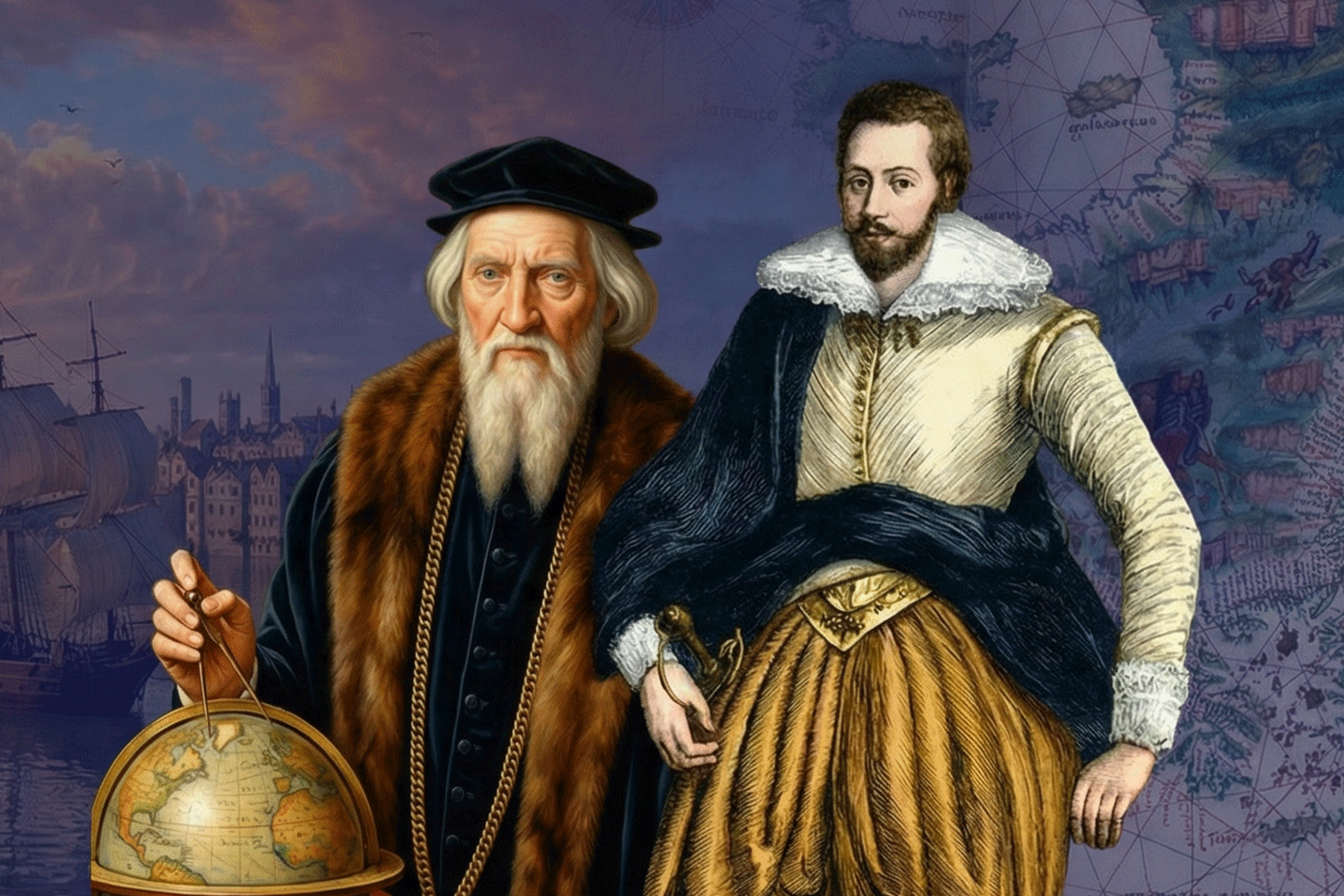
Under the Duke of Northumberland’s guidance, the young king enlisted Sebastian Cabot, a seasoned and internationally respected geographer and explorer. Cabot had already been in discussions with the Habsburg imperial court—through Jean Scheyfve, Charles V’s ambassador to England—about exploring a northern sea passage to Cathay (China).
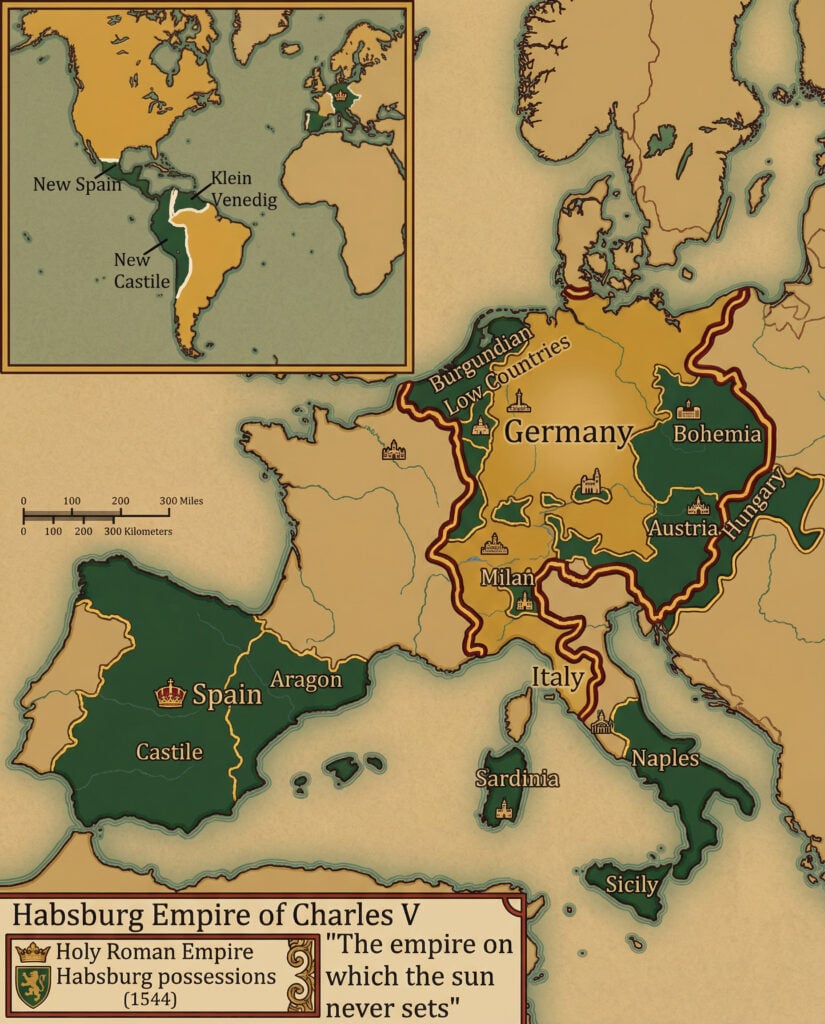
Charles V was the heir to the rising House of Habsburg and resolute ruler from 1506 to 1555. He had ascended to become Holy Roman Emperor, presiding over an empire on which the sun famously never set. Through his grandmother, Isabella of Castile, he inherited Spain’s American dominions and, by virtue of the treaties already described, could claim nearly the entire New World west of the Atlantic line of demarcation. Asia, at least in theory, lay beyond dispute. If Cathay (China) could be reached by a northern route, much hardship could be avoided. For Charles V, as for England, the northern seas offered not merely discovery, but opportunity—one unconstrained by Iberian monopoly.
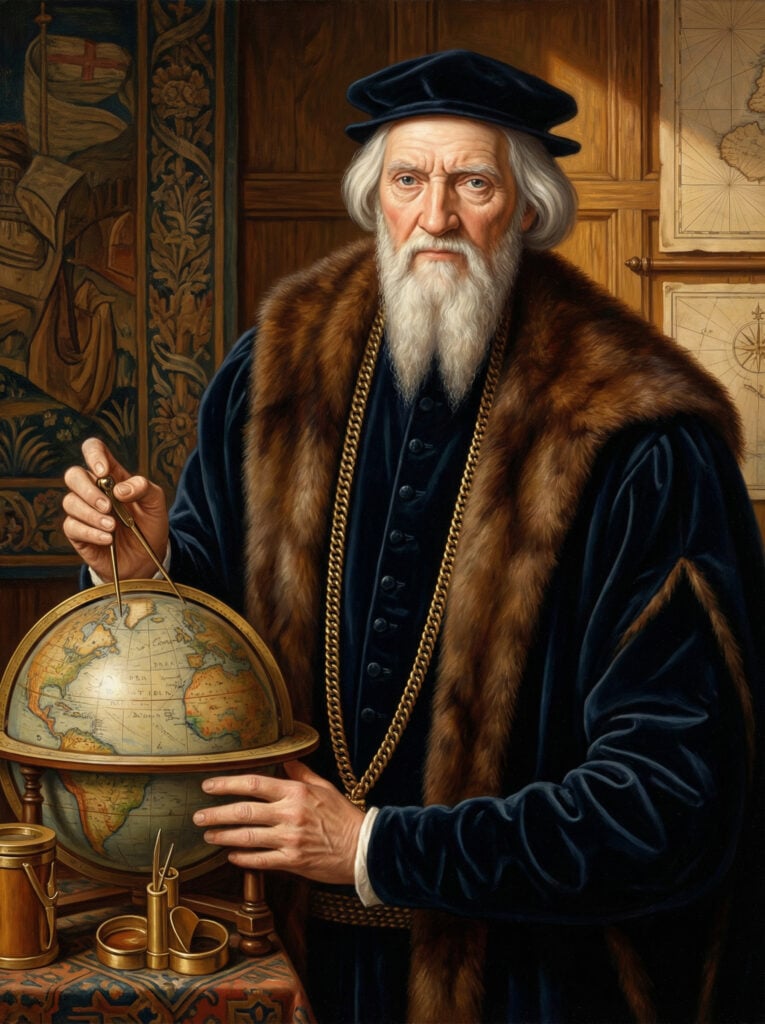
In the end, Stephen Cabot aligned himself with the English Crown in pursuit of a northern expedition. Through the patronage of John Dudley—and by extension King Edward VI—the Merchants Adventurers for the Discovery of Lands, Territories, Isles, and Dominions were formed, drawing on Cabot’s oversight and expertise. Some 244 investors, paying to what would amount to $25 a share, pooled their capital under royal authority. The charter emphasized trade, discovery, and the vitality of the realm. It committed little public money and no army. Whatever the outcome, the state would survive the attempt.
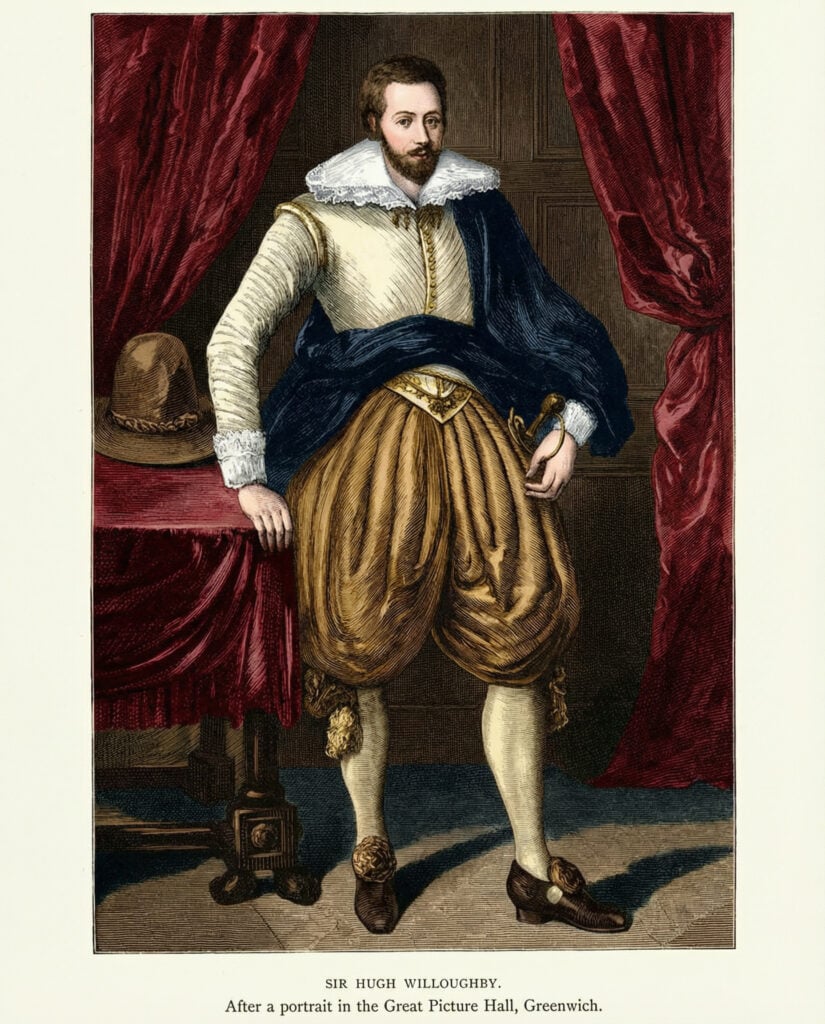
The Company of Merchant Adventurers required a commander capable of imposing authority in frigid conditions where precedent offered little guidance. A destination marked terra incognita was not for the faint-hearted. In an age of peril and few opportunities for promotion, many qualified applicants vied to participate. Those who volunteered understood that profit, if it came at all, would arrive late and thin. What mattered more was reputation, integrity, and infamy.Sir Hugh Willoughby was selected to lead the Merchant Adventurers’ expedition not because he was the most qualified northern navigator, but because he embodied the ideals of a Turdor commander. He was well born, physically imposing, and hardened by service in the Scottish border wars. Willoughby petitioned actively for the post of captain-general despite his lack of maritime experience. He offered what the venture most needed at the outset: cohesion under stress. Willoughby would captain the Bona Esperanza, the flagship, carrying thirty-four men, including merchants and surgeons—an implicit acknowledgment of risk.
Richard Chancellor, trained under Sebastian Cabot, was appointed chief pilot and second-in-command. His strengths were more technical rather than court prestige. Navigational precision, careful observation, and meticulous record-keeping would be under his purview. He would be accompanied by the expedition’s most accomplished sailor, Stephen Borough, who served as master aboard the Edward Bonaventure, a 160-ton vessel. The final ship, the Bona Confidentia, was mid-sized at ninety tons.
All three ships were built to Sebastain Cabot’s specifications, expressly for a voyage of exceptional risk. One vessel’s keel was even lined with lead, an experimental defense against shipworm. Arctic uncertainty encouraged over-preparation.
If trade presented itself, it would commence at once. The English were not only seeking markets for their woolens; they were eager to acquire whatever spices and delicacies the East might yield. Wise beyond the English Channel, Cabot pronounced his explicit instructions: behave peaceably and keep a regular journal. Discovery without documentation was worthless, especially for Cabot who would await in London anxious for Sir Willoughby’s eventual return.
On 10 May 1553, the venture moved.
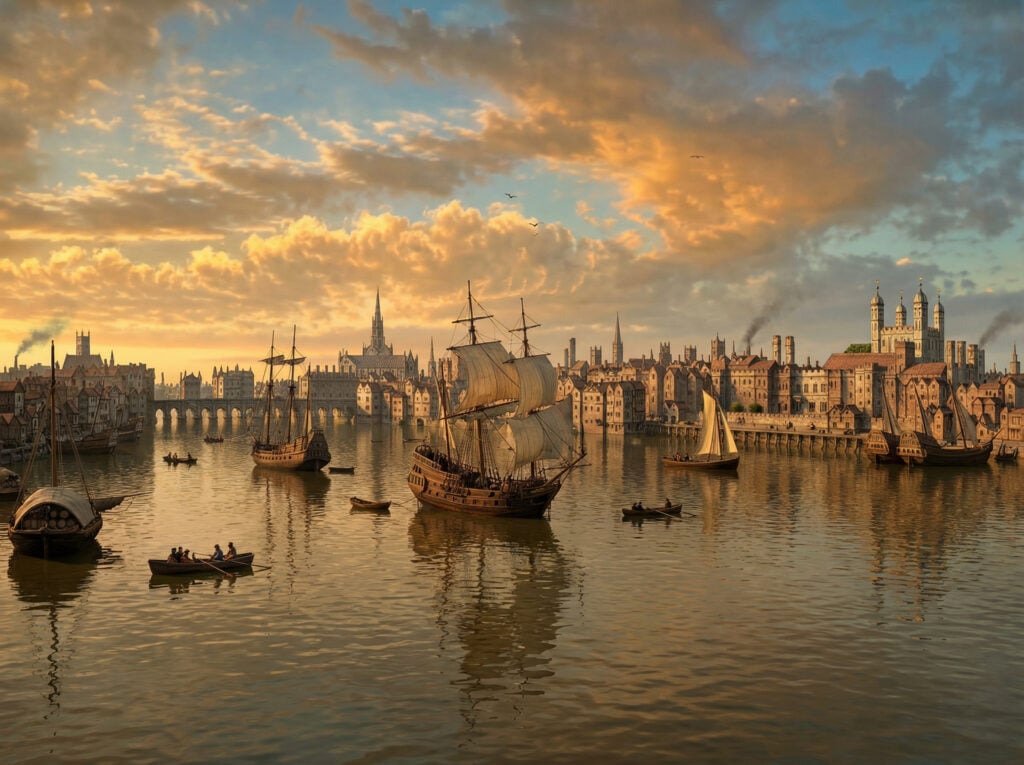
The newly built ships lay on the Thames, their names brimming with optimism. Linen canvas rose on sturdy hempen cordage as crowds gathered along the riverbanks. This Crown-sanctioned voyage marked a milestone in English adventurism, one that resonated throughout the realm.
The ships moved slowly against the current of the Thames, pausing momentarily at Greenwich, as protocol demanded. From a window overlooking the river, Edward VI, fifteen years old and visibly ill, acknowledged the fleet as it passed. Cannons fired. Cheers followed. No one on shore knew what consequences this brazen expedition would hold for the future of the realm. One of the youngest spectators, the king himself, wouldn’t survive to witness the result of what he helped set in motion.
By the winter of 1553, Edward VI had fallen ill with a fever. The imperial ambassador, Jean Scheyfve, reported with clinical unease that the king “suffers a good deal when the fever is upon him, especially from a difficulty in drawing his breath, which is due to the compression of the organs on the right side.” There were periods of improvement, followed by relapse. By June, there was little doubt. Edward’s Protestant regime was running out of time.