Virginia’s hemp landscape has changed dramatically, and so has the way adults can purchase and enjoy hemp products in the Commonwealth.
As of August 15, Virginia law limits hemp products offered for retail sale to no more than 2mg of total THC per package and eliminated the former 25:1 CBD-to-THC allowance. That change did more than alter a number on a package—it fundamentally changed the types of products that can be offered and, in many ways, the consumer culture that had developed around Virginia hemp.
QUICK LINK >> REDFERN’S CUSTOMER QUESTIONNAIRE – FALL 2026 <<
For years, Redfern’s story has been about much more than simply selling hemp products. We have grown hemp here in Virginia, developed products from the crop, worked directly with customers, participated in agricultural research, and advocated for an environment where responsible adults could continue to choose which products they wanted to purchase and which farmers, producers, and small businesses they wanted to support.
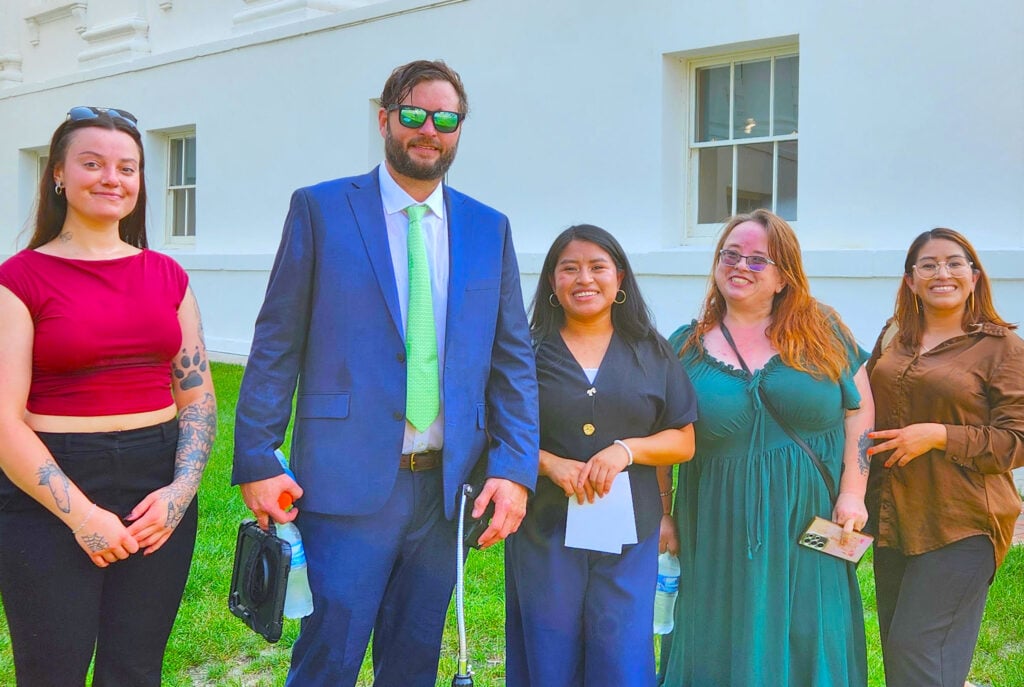
That advocacy came with a cost.
For a small farm business like ours, our marketing budget and our advocacy budget were often one and the same. Resources that could have gone toward advertising, new packaging, videos, events, or telling the story of the farm were instead spent traveling, attending meetings, educating policymakers, speaking publicly, and participating in the broader debate over the future of hemp in Virginia.
We made that choice because we believed the conversation was bigger than Redfern. It was about whether Virginia could maintain a diverse marketplace that included farmers, independent manufacturers, retailers, entrepreneurs, and consumers—not simply whether one particular Redfern product remained on a shelf.
But the landscape has changed, and Redfern has to change with it.
We see this as an opportunity to return more of our attention to the reason we entered hemp in the first place: the plant, the farm, and everything that can be built around them.
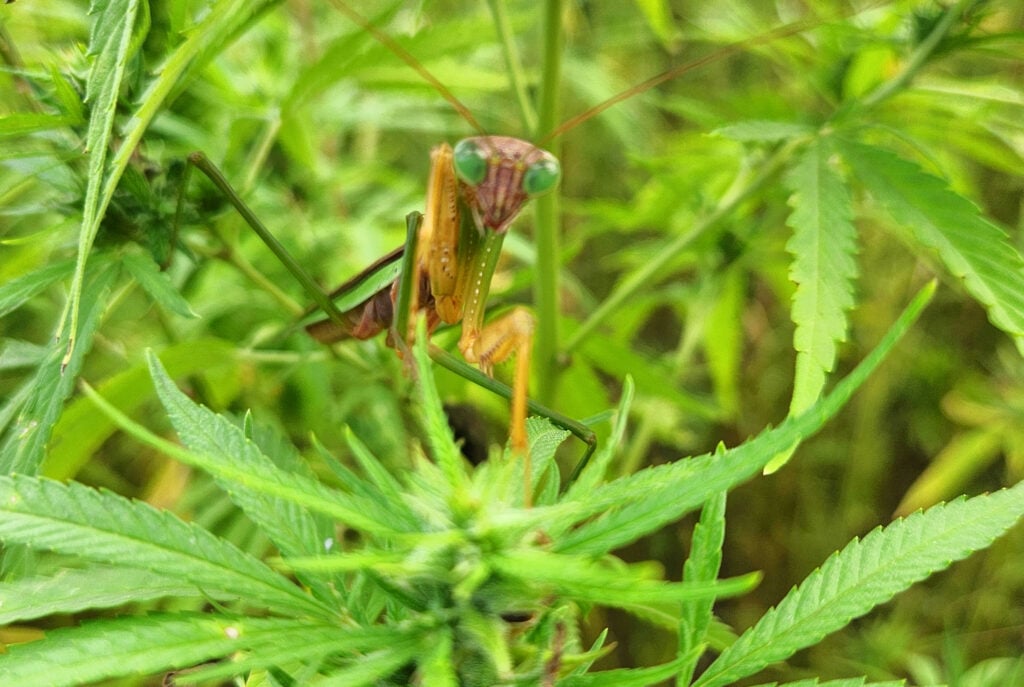
There is much more happening at Redfern than what customers see sitting on a store shelf. We want to do a better job of bringing you onto the farm and showing you the agricultural side of hemp—how it is grown, what we are learning, the research we are participating in, and the many ways this crop can potentially contribute to Virginia agriculture.
That could mean expanding our work with hemp grain and food products, exploring sustainable materials and new uses for the crop, sharing more behind-the-scenes farm content, hosting educational events, and possibly launching a Redfern podcast where we can have longer conversations with farmers, researchers, entrepreneurs, historians, policymakers, and other interesting people working in and around agriculture.
One of the projects we are especially interested in pursuing is the preservation of hemp genetics. Over time, we would like to help develop a statewide collection or seed bank of Virginia-grown hemp genetics so that varieties developed, selected, and grown here are not simply lost as the industry changes. Hemp has a long agricultural history in Virginia, and we believe preserving plant genetics and agricultural knowledge can be part of ensuring that hemp also has a future here.
In other words, the next version of Redfern may be bigger than a hemp-product company.
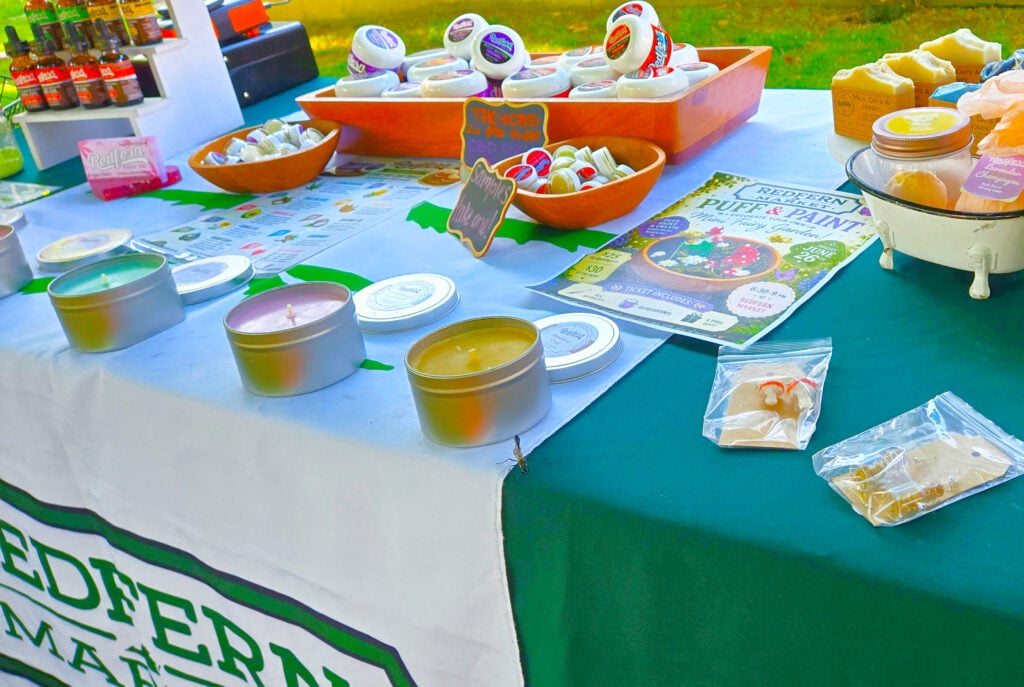
It could be a farm, a source of Virginia-grown products, an educational platform, a place for agricultural research, a home for hemp genetics, a gathering place, and a voice for an industry that is still figuring out what comes next.
But before we decide what that future looks like, we want to hear from the people who have helped us get this far.
Whether you have been a longtime customer, visited the Market once, attended one of our events, followed us online, or simply supported what we are trying to build, your perspective matters to us.
So we’re asking a few simple questions:
What should Redfern become next?