Our most frequently asked question is “How is Hemp different from regular Marijuana?”. Often people assume they are completely different plant while others believe they are identical.
Allow us to educate you on this hemp vs marijuana subject!
Hemp vs Marijuana: A Closer Look
While both hemp and marijuana are derived from the Cannabis sativa plant, they are distinct entities with unique properties, uses, and legal statuses. Hemp, often referred to as the “industrial hemp,” is primarily cultivated for its fiber, seed, or oil. It is characterized by a low concentration of tetrahydrocannabinol (THC), the psychoactive compound primarily responsible for the “high” associated with marijuana. In contrast, marijuana is primarily cultivated for its psychoactive properties, containing a higher concentration of THC. This fundamental difference in THC content is the primary factor that distinguishes hemp from marijuana.
Hemp
Definition: Hemp is a variety of Cannabis sativa that is primarily cultivated for its fiber, seed, or oil. It is characterized by a low concentration of tetrahydrocannabinol (THC), the psychoactive compound primarily responsible for the “high” associated with marijuana.
Legal Status:
- Federal Level: The 2018 Farm Bill legalized the production of hemp in the United States, provided it contains no more than 0.3% THC. This distinction removed hemp from the Controlled Substances Act.
- Virginia State Level: Virginia has established a comprehensive regulatory framework for the cultivation, processing, and sale of hemp. The Virginia Department of Agriculture and Consumer Services (VDACS) is the primary agency responsible for overseeing the hemp industry in the state. To cultivate hemp in Virginia, growers must obtain a license from the VDACS. The licensing process involves submitting an application, paying a fee, and meeting certain requirements, such as having a suitable growing location and a plan for testing the THC content of the hemp plants. Once licensed, growers can cultivate hemp for various purposes, including fiber, seed, and oil extraction. The VDACS also regulates the processing and sale of hemp products, ensuring that they comply with state and federal laws. Virginia’s hemp regulations are designed to promote the growth of the hemp industry while protecting public health and safety.
Industrial Hemp Uses:
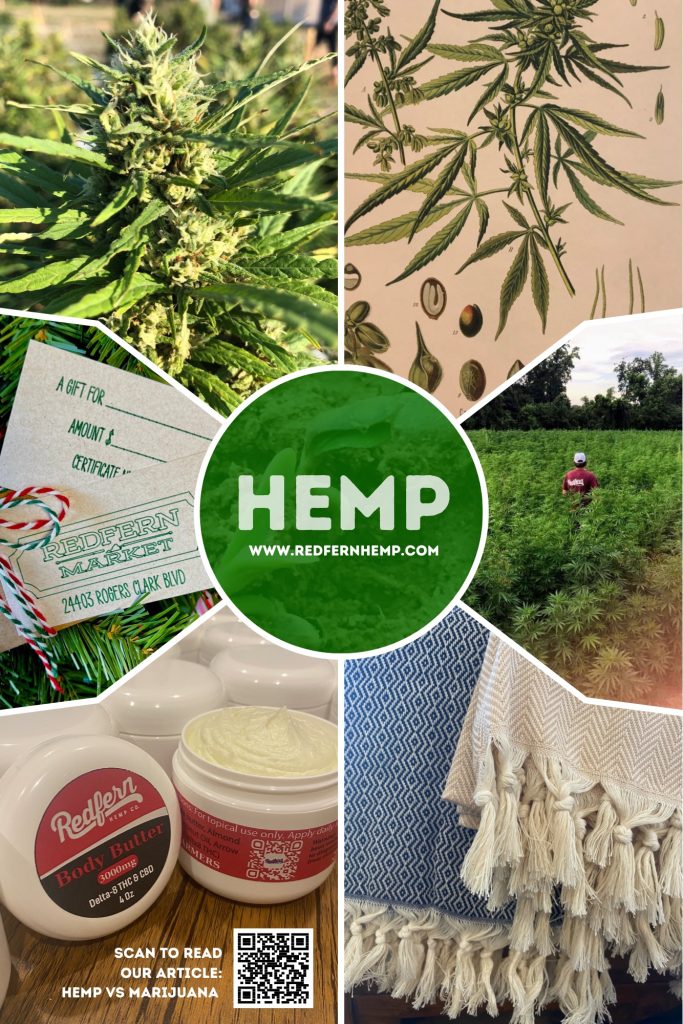
- Fiber: sHemp fiber is a versatile and sustainable material that has been used for centuries to create a wide range of products. It is known for its strength, durability, and resistance to mold and mildew. Hemp fiber can be used to make textiles, paper, rope, and even building materials. Hemp textiles are soft, breathable, and hypoallergenic, making them ideal for clothing, bedding, and other applications. Hemp paper is made from the pulp of the hemp plant, and it is stronger, more durable, and more environmentally friendly than traditional wood-based paper. Hemp can also be used to create building materials, such as insulation, flooring, and panels. Hemp-based building materials are energy-efficient, sustainable, and can help to improve indoor air quality.
- Seed: Hemp seeds are a nutritional powerhouse, packed with essential nutrients and healthy fats. They are an excellent source of protein, fiber, and omega-3 fatty acids. Hemp seeds can be eaten raw, roasted, or ground into a flour. They can also be used to make hemp milk, which is a plant-based alternative to dairy milk. Hemp seeds are a popular ingredient in various food products, including granola, energy bars, and protein powder. They are also used in cosmetics and skincare products, as they are rich in antioxidants and essential fatty acids.
- Oil: Hemp oil, extracted from hemp seeds, is a nutritional powerhouse. It’s rich in essential fatty acids, particularly omega-3 and omega-6, which are crucial for overall health. These fatty acids support heart health, brain function, and skin health. Hemp oil can be consumed as a dietary supplement, added to food, or applied topically. It’s a popular ingredient in skincare products due to its hydrating and nourishing properties. In addition to its nutritional benefits, hemp oil can also be used as a cooking oil, though it has a slightly nutty flavor.
- Cannabinoids: Hemp is also a source of various cannabinoids, including cannabidiol (CBD) and cannabigerol (CBG). These compounds have gained significant attention for their potential health benefits. CBD, in particular, has been studied for its anti-inflammatory, pain-relieving, and anxiety-reducing properties. CBG, on the other hand, is known for its potential anti-inflammatory and neuroprotective effects. Hemp-derived cannabinoids are often extracted and used in a variety of products, many which Redfern supplies, including edibles, tinctures, pet treats, and topical creams.
Marijuana
Definition: Marijuana is a variety of Cannabis sativa that is primarily cultivated for its psychoactive properties. It contains a higher concentration of THC than hemp, leading to its intoxicating effects.
Legal Status:
- Federal Level: Marijuana remains illegal under federal law, classified as a Schedule I controlled substance. However, many states have legalized or decriminalized its medical or recreational use.
- Virginia State Level: Virginia has taken a progressive stance on medical marijuana, legalizing its use for qualifying patients. To obtain a medical marijuana card, patients must have a qualifying medical condition as defined by state law and obtain a prescription from a licensed physician. The Virginia Board of Pharmacy oversees the medical marijuana program, regulating the cultivation, processing, and sale of medical cannabis products. The state has established a network of licensed dispensaries where patients can purchase medical marijuana products, ensuring access and safety. Virginia’s medical marijuana program is designed to provide relief to patients suffering from qualifying conditions while maintaining strict quality control and safety standards.
Medicinal and Recreational Marijuana Uses:
- Medicinal: Marijuana is used to treat a wide range of medical conditions, including chronic pain, nausea, anxiety, epilepsy, and multiple sclerosis. Studies have shown that marijuana can be effective in managing symptoms associated with these conditions, such as pain, muscle spasms, and loss of appetite. Additionally, marijuana may have potential benefits for other medical conditions, such as glaucoma, PTSD, and Parkinson’s disease, although more research is needed to confirm these effects.
- Recreational: In states where it is legal, marijuana is used primarily for recreational purposes. Many people enjoy marijuana for its relaxing and euphoric effects, which can help to reduce stress, promote creativity, and enhance social interactions. However, it is important to note that excessive marijuana use can have negative consequences, such as impaired cognitive function, memory problems, and addiction.
Note: The legal landscape surrounding hemp and marijuana is constantly evolving. It’s essential to stay informed about the latest regulations and laws in your specific jurisdiction.