
In the heart of Minnesota, a remarkable story of innovation, sustainability, and indigenous resilience is unfolding. The Lower Sioux tribe, led by visionary builder Danny Desjarlais, is pioneering a hempcrete revolution to construction that could change how we think about sustainable housing. The Journey Begins The story of these groundbreaking hemp homes started unexpectedly. When author Judith Madoff followed the tribe’s crew for a few days and wrote an article for Grist, little did they know it would catch the eye of Patagonia. Yvonne Chouinard’s daughter read the piece and sparked a chain of events that would bring their innovative work to global attention.
A Technological Marvel in Extreme Conditions
Minnesota is notorious for its extreme climate – a perfect testing ground for innovative building techniques. With temperature swings from brutal -20°F winters to scorching, humid summers, the region presents unique challenges for any construction method. The University of Minnesota’s Center for Sustainable Building Research has recognized the tribe’s location as an ideal proving ground for alternative building technologies. The Hemp Home Experiment Danny Desjarlais shared a remarkable demonstration of hempcrete’s potential. During one particularly cold night when temperatures plummeted to -20°F, their experimental hemp home performed extraordinarily. Without a traditional furnace and using only passive solar heating, the interior maintained an impressive 59 degrees. This test showcased hempcrete’s incredible thermal properties – storing heat from sunlight and providing exceptional insulation.
The Hempcrete Revolution: Representing More Than Just a Building Technique
For the Lower Sioux tribe, this is more than just an architectural experiment. It’s a statement of environmental stewardship, indigenous innovation, and sustainable living. Ingrid Fay, a board member of the US Hemp Building Association, emphasizes the educational importance of their work, spreading awareness about hemp building’s potential.
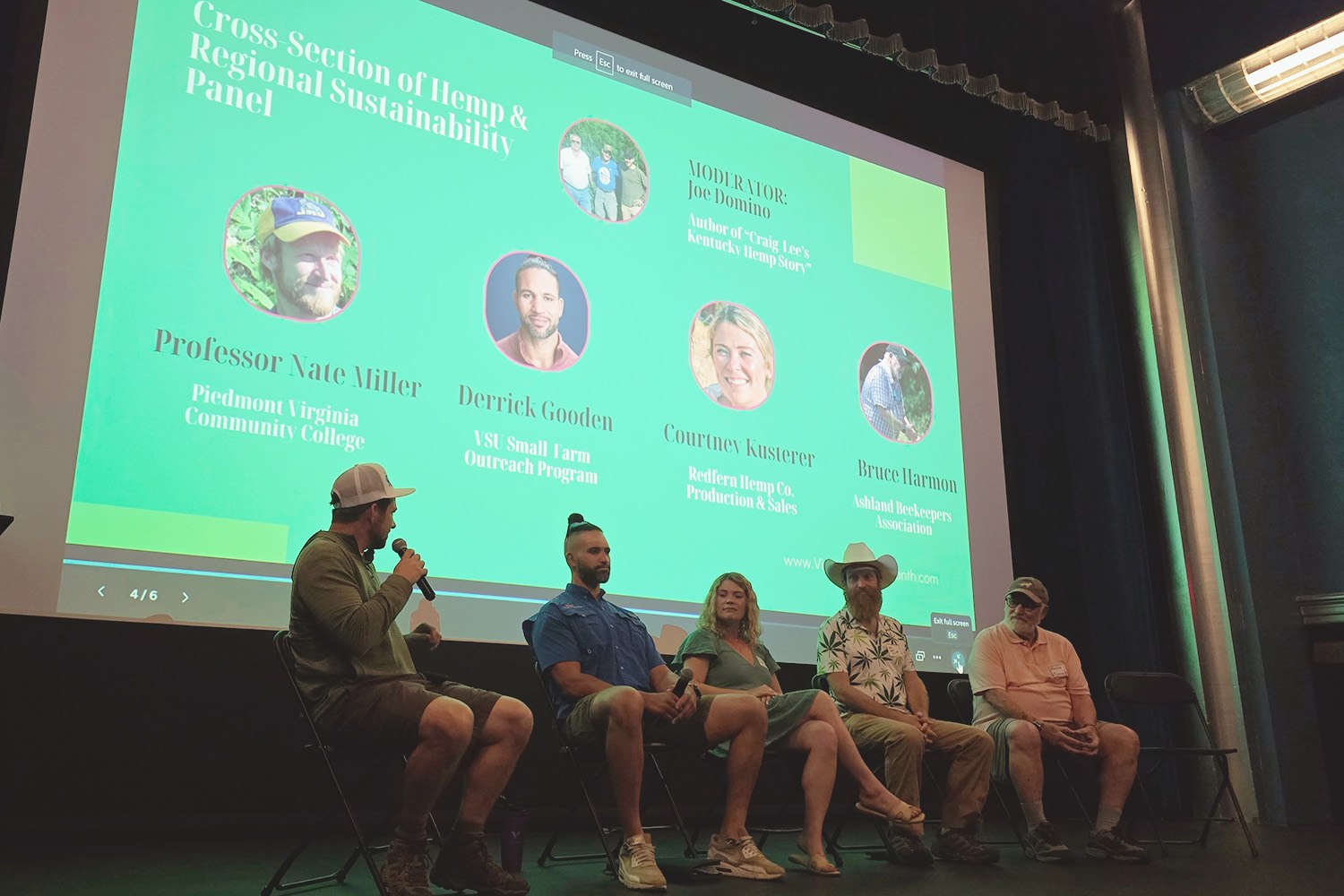
A Message of Resilience During the Q&A
Mark Rainbow Walker, a Pamunkey tribe member (one of Virginia’s federally recognized tribes) beautifully captured the spirit of the project, blessing the tribe with wishes of “seven generations of prosperity” – a traditional Native American concept of long-term sustainability and community well-being.
Looking Forward: The hempcrete homes represent more than just an alternative building method. They symbolize hope – a fusion of traditional knowledge and modern sustainable technology. As climate change continues to challenge our traditional approaches to shelter, innovations like these offer a glimpse of a more resilient future. Key Takeaways:
- Hempcrete can maintain interior temperatures in extreme conditions
- Indigenous communities are at the forefront of sustainable innovation
- Passive solar design can significantly reduce energy consumption
- Sustainable building techniques can work in the most challenging environments
The Lower Sioux Indian Community isn’t just building houses; they’re building a blueprint for a more sustainable future.


Hemp: More Than a Crop
At Redfern Hemp Co., we believe hemp is more than just a plant—it’s a catalyst for community transformation, economic innovation, and cultural revival. Every workshop, every event, every conversation about hemp is an opportunity to demystify hemp’s potential beyond its intoxicating attributed.
As a company we’re committed to showcasing all of hemp’s economic opportunities for local farmers. we promise to continue highlighting sustainable solutions for construction, energy, and manufacturing while preserving Virginia’s rich agricultural heritage.Join us in cultivating that future, one hemp product at a time. Shop Local. Support Local. Grow Virginia’s Hemp Future.
Visit Redfern Hemp Co.’s online store today.