Synopsis
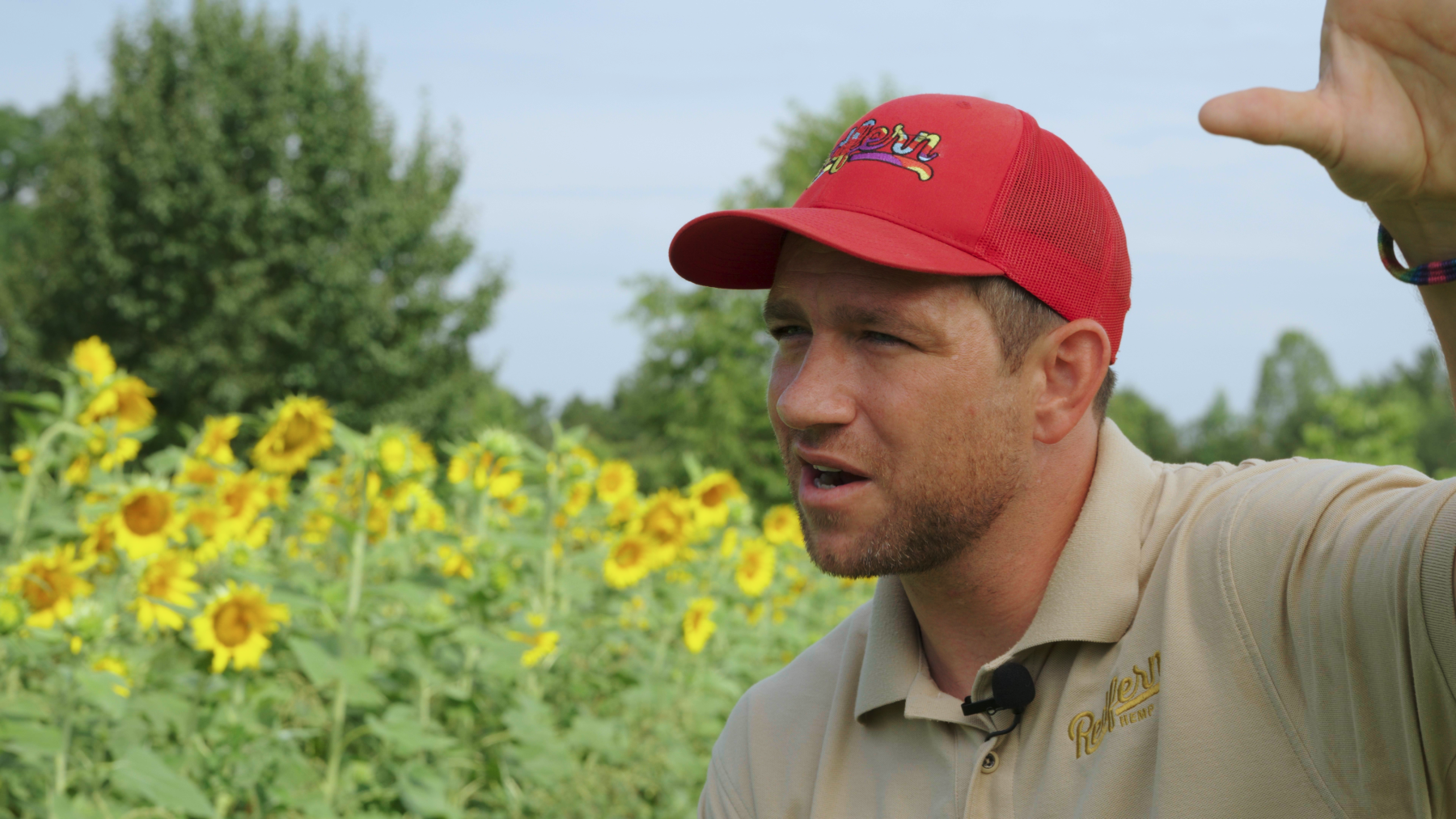
For years, Redfern Hemp has been more than a farm, a storefront, or a place to purchase hemp products. It has become a community built around trust, education, responsible access, and the belief that hemp can play a meaningful role in agriculture, wellness, and small business in Virginia.
In this conversation, Graham Redfern, Joe Domino, and Corey Reed share the story behind Redfern—from its roots in hemp advocacy and regenerative farming to the relationships built with customers who walk through the doors every day. They also speak candidly about the regulatory changes threatening many of the products Redfern customers have come to rely on and the uncertainty those changes create for the farm, the business, its employees, and the broader Virginia hemp community.
That distinction helps. I’d position Graham as the founder/lead, with Joe and Corey speaking as representatives of the larger Redfern team rather than making the story about the three of them specifically.
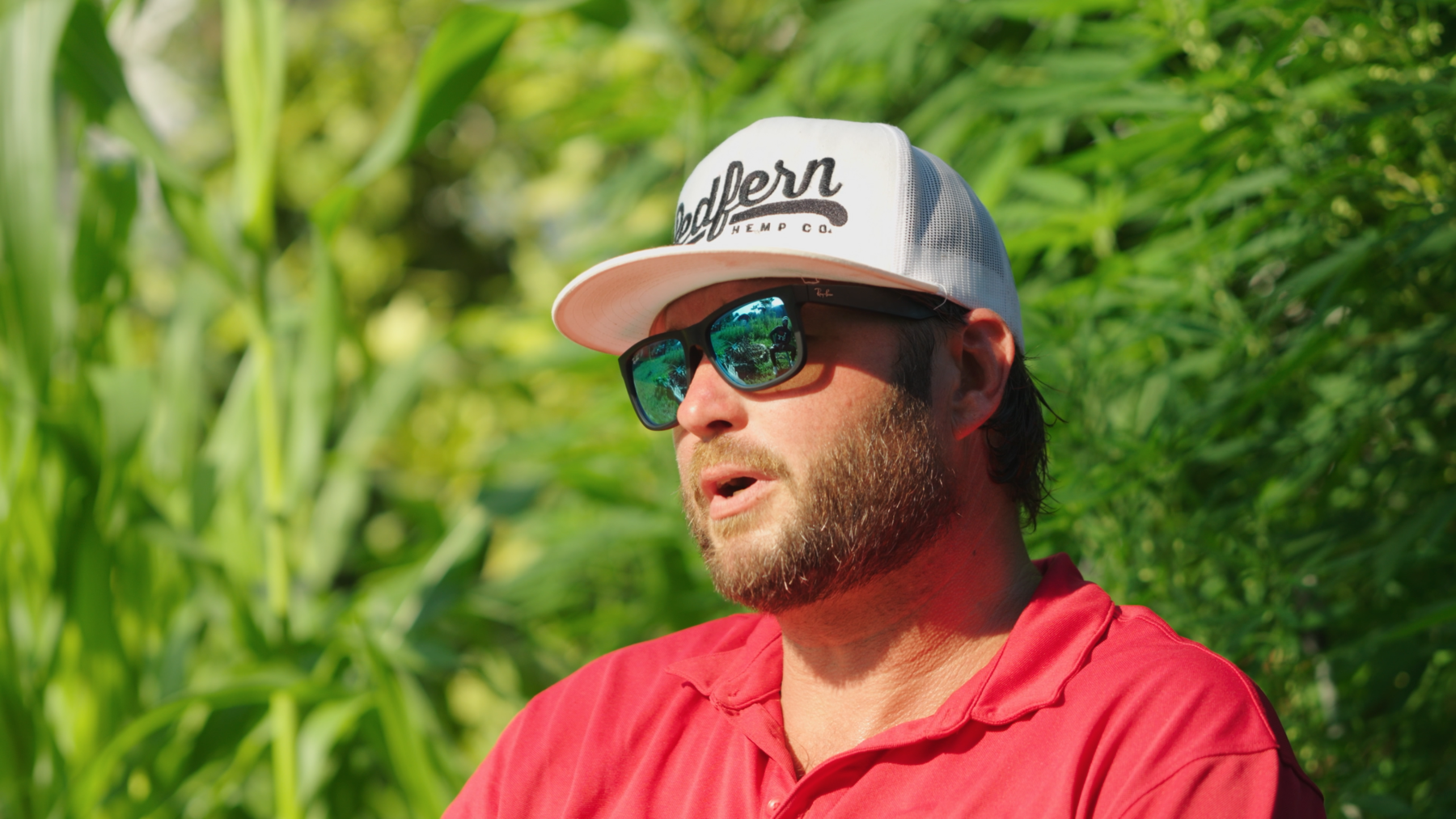
For Graham, Redfern has been years in the making—from farming and product development to compliance, advocacy, and building a business centered around Virginia hemp. Leading that effort has also meant building a team of roughly 10 to 14 people, depending on the season, who keep Redfern moving every day.
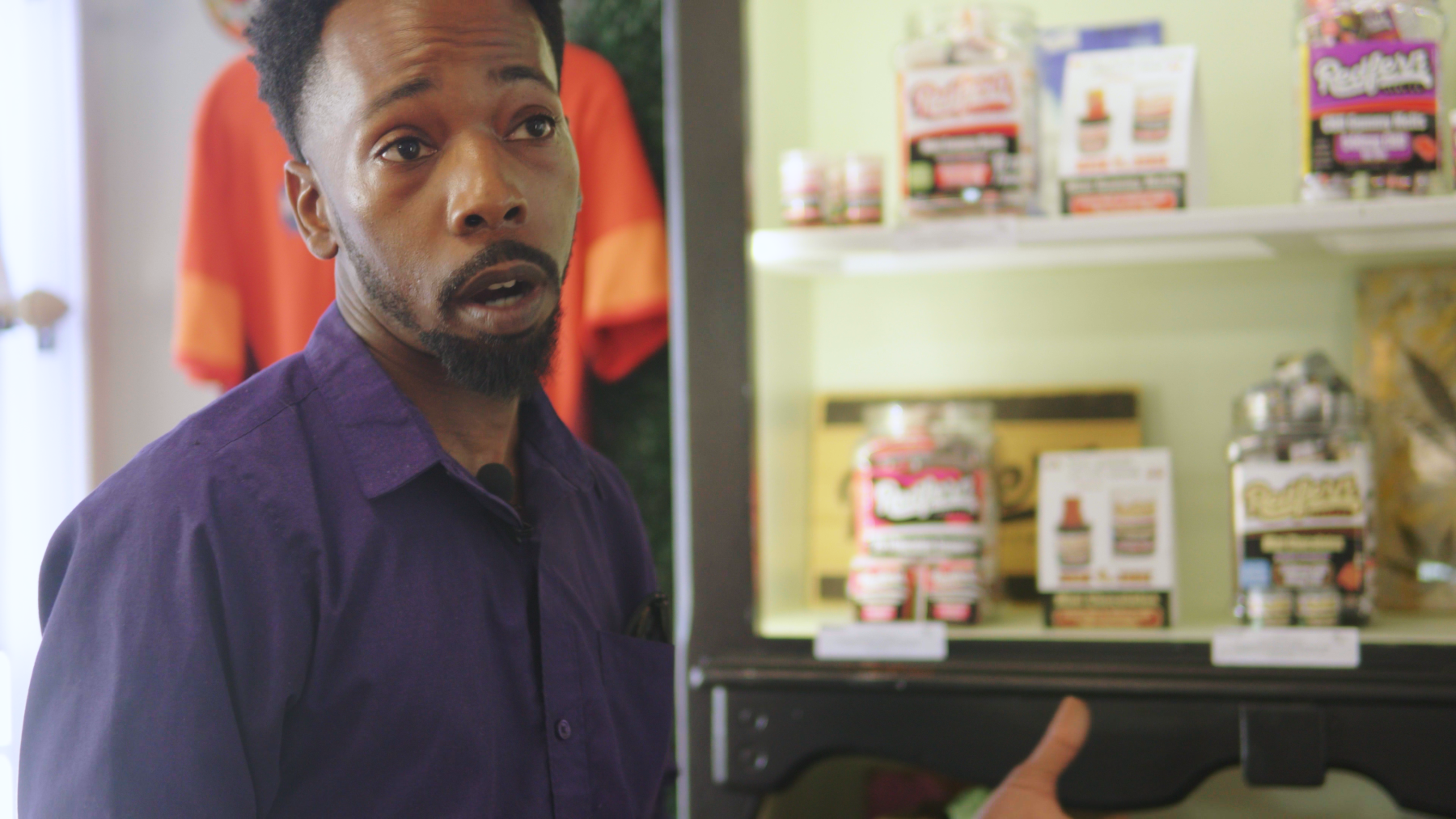
Joe and Corey are two members of that larger team and, in this conversation, help represent the people working alongside Graham across the farm, storefront, production, customer service, education, and day-to-day operations. Their roles often overlap, but so does their purpose: doing the work responsibly, taking care of Redfern’s customers, and protecting the future of what Graham and the team have worked hard to build.
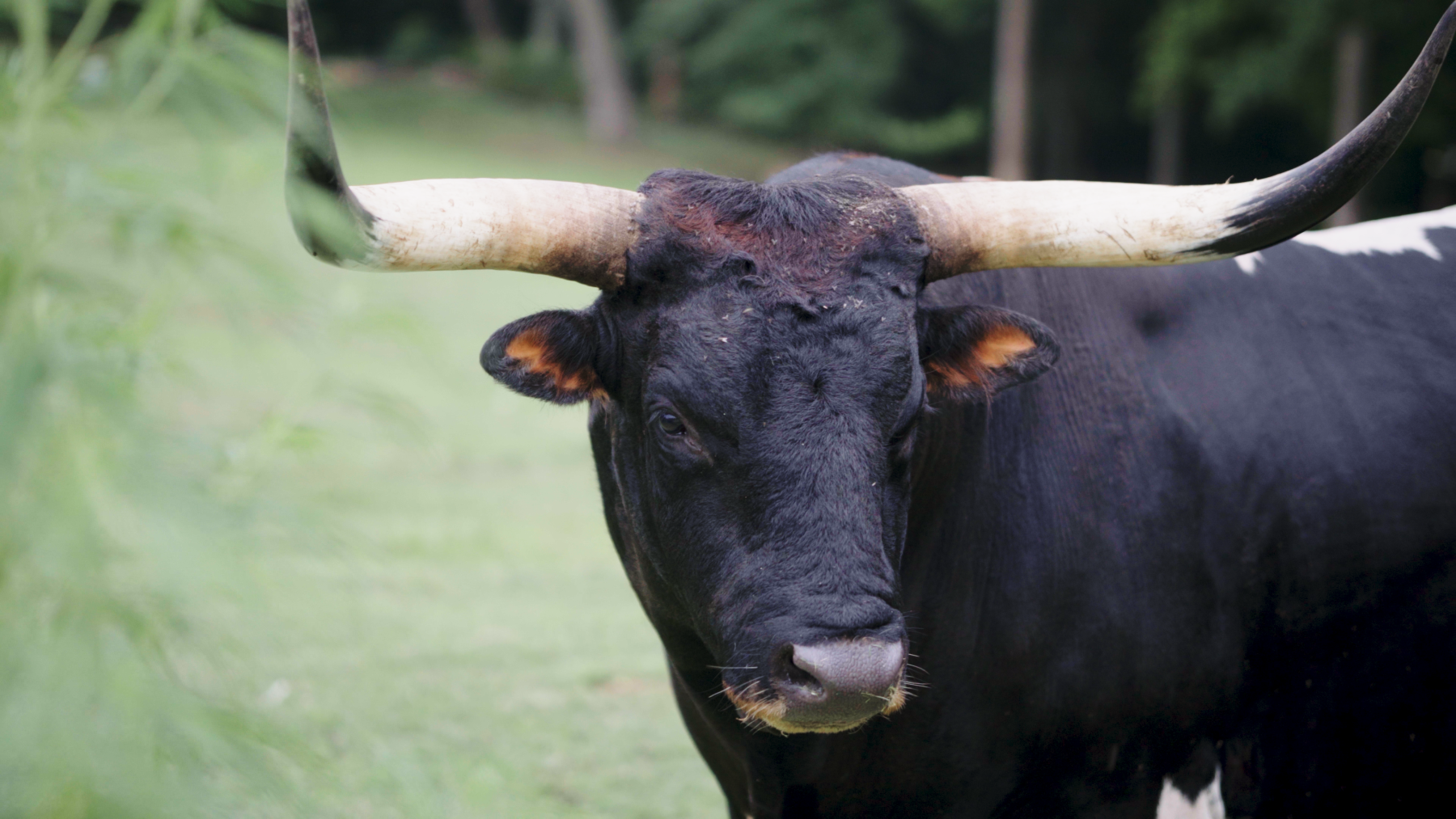
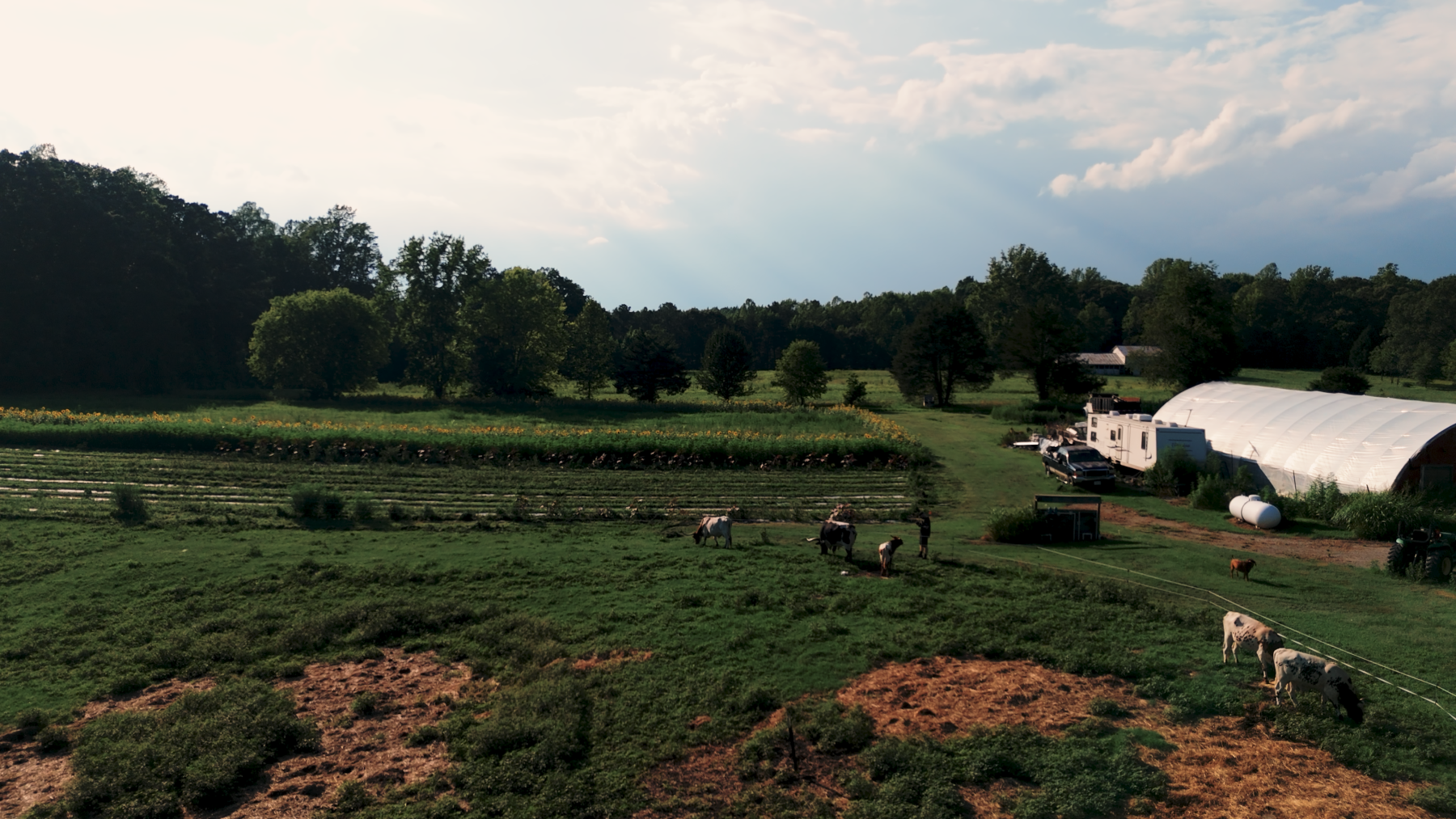
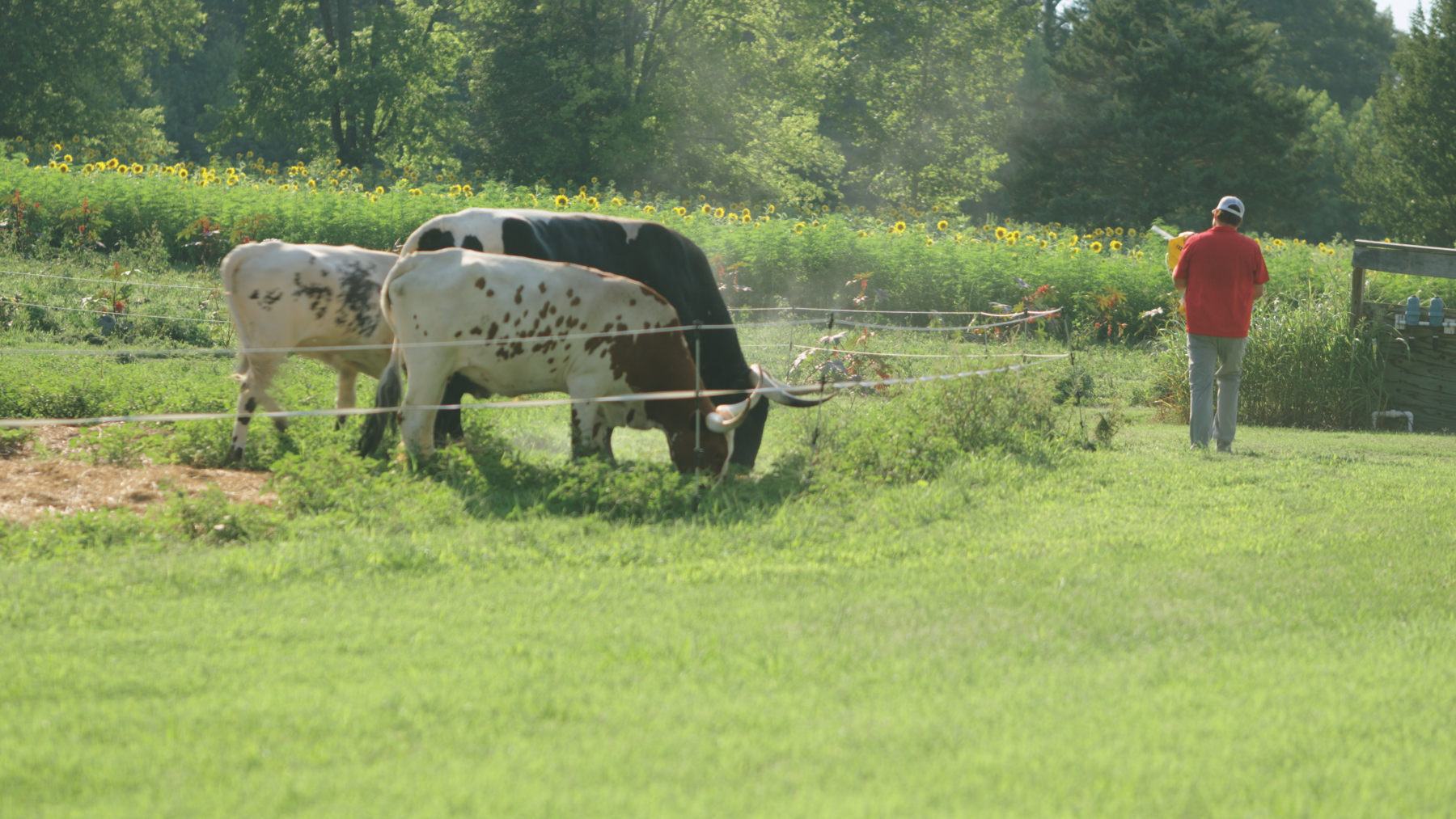
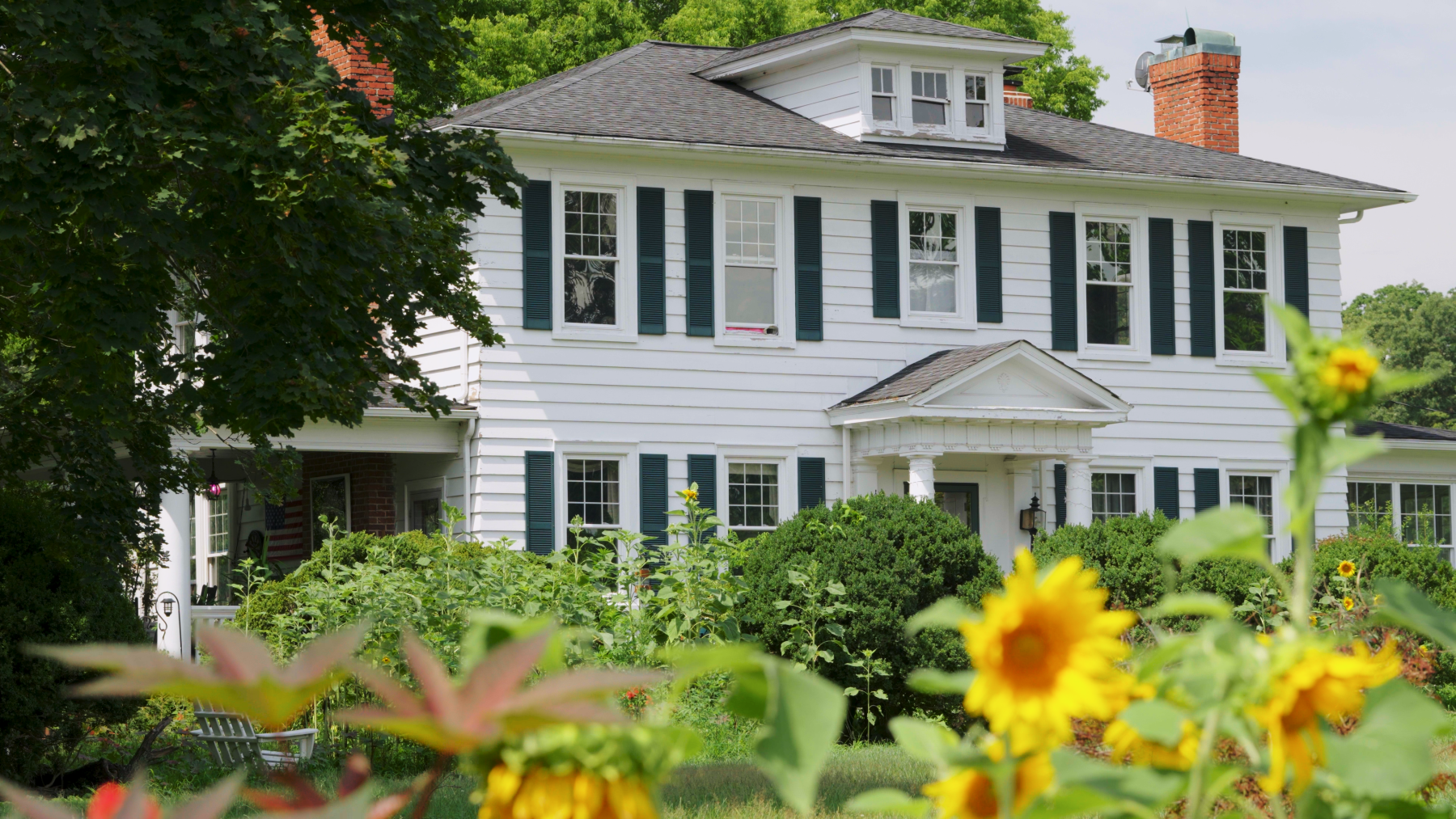
Redfern has continued to adapt, comply, educate, and advocate through every change the industry has faced. The hope is not to avoid reasonable regulation, but to see clear, fair standards that protect consumers, support responsible businesses, preserve opportunities for Virginia farmers, and allow adults to continue making informed choices about the products they use.
What follows is the story of how Redfern arrived at this moment—and why the team believes this fight is about much more than keeping products on the shelves. It is about protecting years of work, the livelihoods tied to this business, the farmers and small businesses that helped build Virginia’s hemp industry, and the customers who could lose access to products they have come to rely on.
Redfern has adapted to changing regulations, invested in testing and compliance, and continued to advocate for responsible standards. But the frustration now comes from feeling that the people who have spent years working within those rules—and who understand this industry from the ground up—are not being heard.
As Joe puts it, “I think the state government’s got a black eye from this whole experience, because they just didn’t listen to the people on the ground.”
That feeling is at the heart of this conversation. Graham and the Redfern team are not arguing against regulation. They are fighting for regulations that are clear, fair, enforceable, and informed by the farmers, small businesses, employees, and consumers who will actually live with their consequences.
They believe there is room for both industries to succeed—and that Virginia should not have to dismantle one established market in order to build another.
As Graham says, “This can be a dual market. Recreational marijuana and hemp can survive together.”
OPEN — WHAT’S AT STAKE
00:00:00
GRAHAM R.
I don’t know when they switched standardized regulations for us. We have to comply. We do it every time. Now they created one that I’m not able to meet because my gummies today, come August 15th, are illegal.
00:00:17
JOE D.
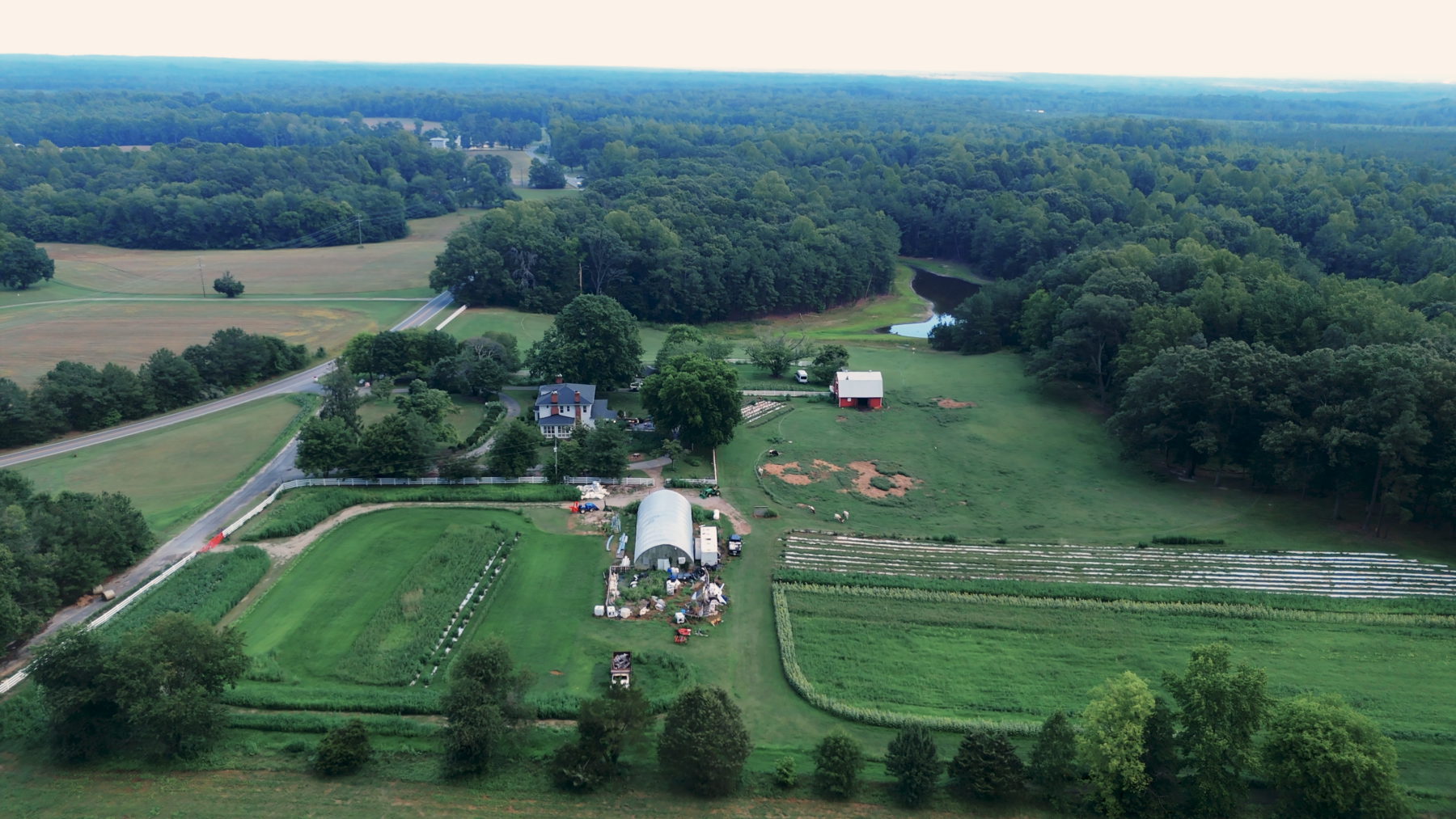
I think Graham’s got one of the most beautiful properties in all Virginia.
This whole intercropping method—I will say, the insects love it, the birds love it. And when people come out here, they really love it as well.
00:00:28
COREY R.
As soon as people come through the door, you can see the relief just kind of come on their face.
You can see the weight come off their shoulders, and it’s like, “I made it.”
You can’t put a price on that. It’s invaluable.
00:00:38
GRAHAM R.
There’s a huge microplastic problem that industrial hemp without any THC could help fix.
But without the revenue to be able to survive, pay my payroll, make sure my leases stay intact, unfortunately, I think that we’re going out of business.
It’s very disheartening when you’re trying to help people every day.
The agricultural commodity that cannabis can be is being denied by big money.
And unfortunately, the small craft farmers, small businesses are the ones suffering. And the largest sufferer is the consumer.
00:01:18
GRAHAM R.
It really started in 2014. I was in the home-building industry at the time. Green building was a thing—green building materials.
I was in Asheville, North Carolina. I met the mayor of Asheville, who had just built a house out of hemp.
Being in the construction world, I learned that hemp was an amazing building material and that we couldn’t grow it in the States.
I started lobbying in Virginia to be able to grow hemp for multiple purposes.
In 2017, I got my first license for research with UVA, Virginia Tech, JMU, and BSU. In 2018, the Farm Bill happened for commercialization.
I decided to create Redfern Hemp.
From 2018 to ’19, at that time, we started building.
We have been growing, manufacturing, wholesaling, and retailing since 2019. We have a farm in Caroline County. Our storefront is in Caroline County, and our commercial kitchen is in Richmond.
00:02:26
JOE D.
So Graham and I met—and also some other folks: Geo Ogburn, Rob [unclear], Jason Tucci, part of the Virginia Hemp Coalition—and we helped lobby for the first hemp laws.
It was my first time I ever went to the General Assembly and lobbied, and I got acquainted with Graham Redfern.
Then he started his own company. I had my own company. Rob and I had a gourmet hemp foods company.
We did some pasta, some hot sauce. Then the pandemic hit, and our low-margin, high-volume product didn’t make as much sense as what Graham had going on. He was selling a whole suite of CBD items, topicals, and stuff.
So in 2021, I think, we aligned forces, and I came on board, started doing the website, and we’ve just been growing together ever since.
00:03:19
JOE D.
I think Graham’s got one of the most beautiful properties in all Virginia. It’s historic. It’s been around since 1850.
We actually went down to the Caroline County Historical Society. We got the deed of the home and found out some interesting facts. The doctor’s office over there was actually standing during the Civil War.
Graham says legend has it that there’s a Civil War trail that comes through this property, and Robert E. Lee actually rode his horse here, because we’re actually on the property where you had the Battle of Lake Anna and they were camping down there.
So I say that because, to me, it’s kind of symbolic. We’re in this civil war, so to speak, now with marijuana, and we’re a hemp farm.
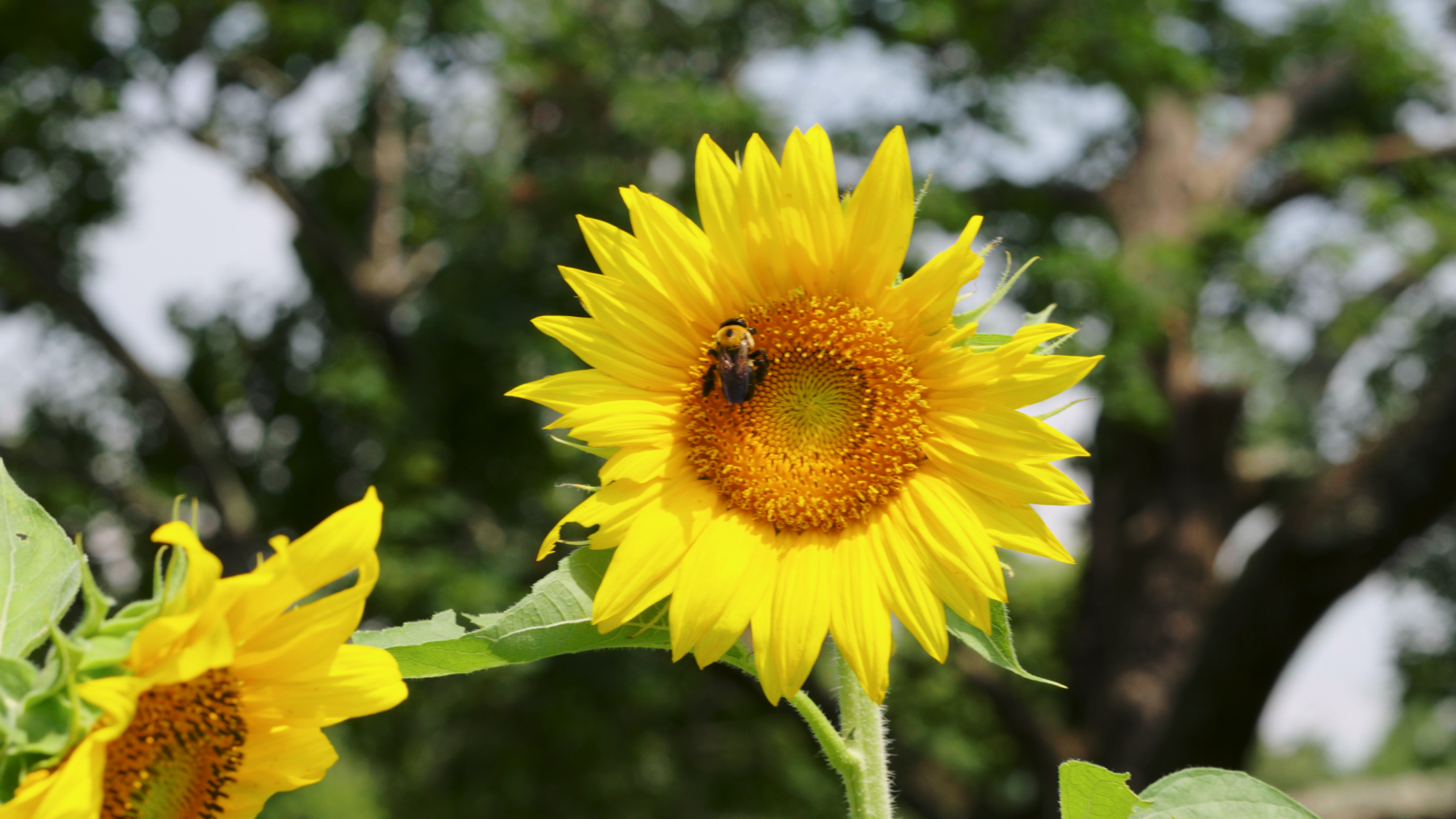
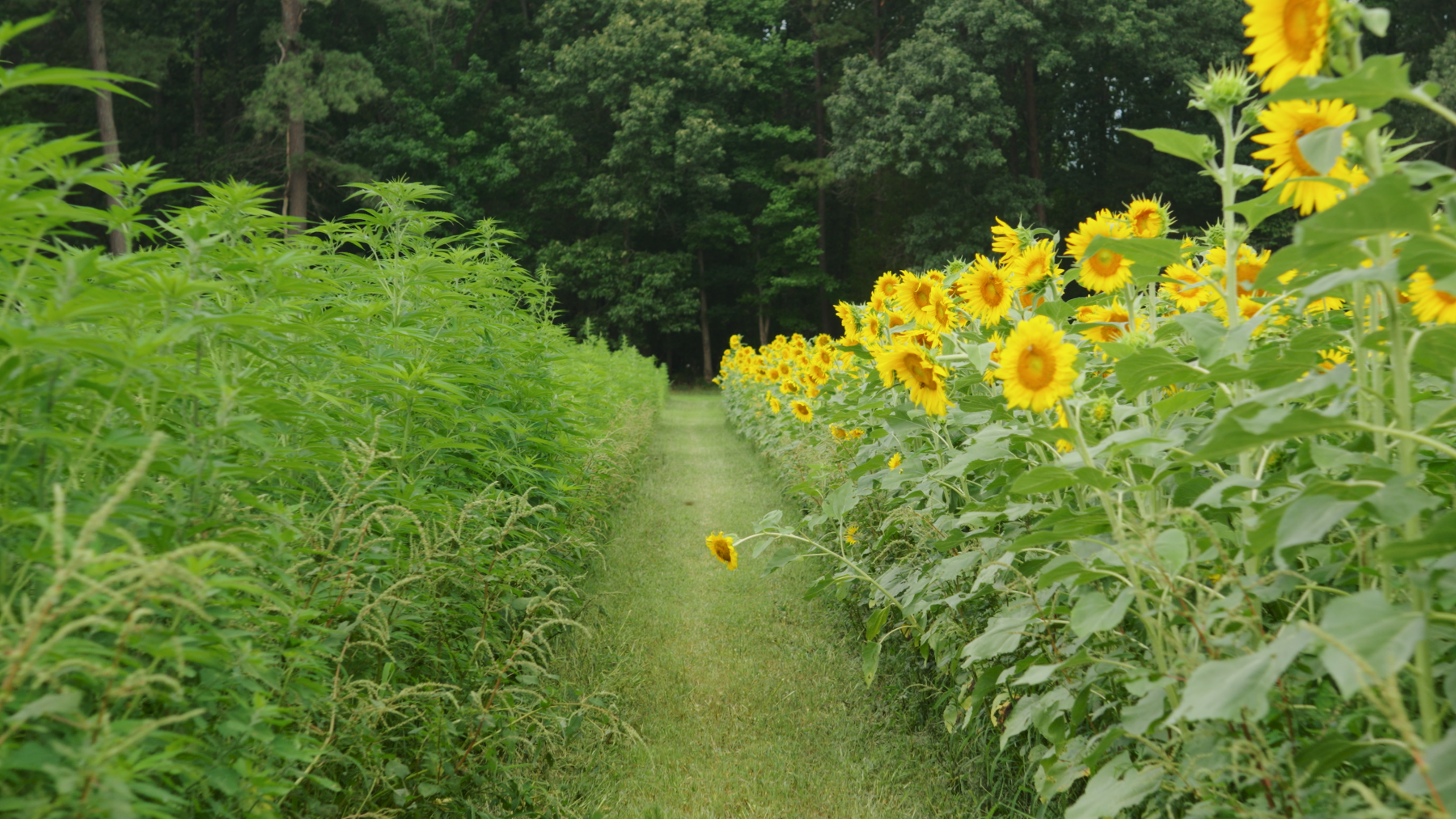
And look at what Graham does here. He not only plants hemp, but he plants sunflowers, he plants canola, and he plants corn. And he’s doing it all regenerative—gives back to the soil, not using any pesticides.
And this whole intercropping method—I will say, the insects love it, the birds love it. And when people come out here, they really love it as well.
00:04:26
GRAHAM R.
All of our products are tested at minimum three to five times, and that’s per SKU.
And it starts at the farm. So I have to sample each one of my varieties for the USDA. I have to give that sample to VDACS, who is then going to give me a denial—you’re over—or you’re good for commerce, a fit-for-commerce letter.
Last year, I had to burn one of my genetics. Best genetic I got, 25 [unclear], is 35-to-1. But being at 0.97%, over the 0.3 federal guidelines, I had to burn the crop.
Whether it’s hemp or marijuana, they’re both a cannabis plant. They’re both for the people. They’re both for the farmer.
And unfortunately, being in this industry from 2014 till now, watching the transition of the money and where the political influence comes from, it is so far away from the farm now and so much in Wall Street’s hands that the agricultural commodity that cannabis can be is being denied by big money.
And unfortunately, the small craft farmers, small businesses are the ones suffering. And the largest sufferer is the consumer.
00:05:44
COREY R.
When I first started, I was super excited. Of course, I loved the products. I loved the plant.
Before even coming on board, I looked at it as an opportunity to grow. I thought it would be a place that would eventually branch out. You would get more [unclear] for our markets here, [unclear] for our Market Three.
So for me, it was more of a launching point to a bigger idea, more businesses, and something I was extremely—and still am extremely—excited about.
It’s kind of like one of those places that people pass. They kind of see “market.” They don’t really know what’s in here, what’s happening.
But once you walk in, you get the music, you’re feeling the vibes. You’ve got good staff here. And so, honestly, walking in here feels like home. It feels relatable. It feels relaxed.
We rarely have people walk in and they’re a little uptight or hesitant about speaking and asking us questions. It just feels open.
We have customers that come into this store, and the purchase may take one minute, but they’re in the store 15, 20 minutes at times—10 minutes. Our average customer is in here maybe five to 10 minutes.
This is a one-minute transaction, typically. And so what that does is cause a lot of feedback. It gives you an idea and understanding of the person that you’re giving this product to, what they’re going through.
A lot of times, you don’t even have to ask. As soon as people come through the door, you can see the relief just kind of come on their face.
You can see the weight come off their shoulders, and it’s like, “I made it.”
Even when we close at seven and they might pull up at 6:59, 7:01, it’s like, “I made it,” you know?
And, I mean, you can’t put a price on that. You can’t. I mean, it’s—yeah, you can’t put a price on that. It’s invaluable.
What you get from it is invaluable.
00:07:28
GRAHAM R.
My gummies today, come August 15th, are illegal.
And for me to be legal, for every one gummy that I make, I have to make 25 gummies. So my consumer now has to take 25 gummies to every one gummy that they eat today, and I have to print 25 labels for every one label that I [unclear].
This is definitely a huge hit, not only for the overall company, but for the market itself as well.
So unfortunately, we will be saying goodbye to all of these products with the white tags on them, as much as people love them and I love them.
If you use the creams, if you use the CBD gummies, the full-spectrum wellness products, you have now lost your products that are illegal in Virginia.
And I don’t know if anybody wants to go to a dispensary and buy some dog treats.
00:08:17
JOE D.
No, what’s going away completely is hemp enforcement through the Virginia Department of Agriculture and Consumer Services, which is the Department of Ag, you know, short-speak.
And I didn’t want to see that because now we’re throwing it into the Cannabis Control Authority—all cannabinoids.
And we always saw hemp being an agricultural commodity, a byproduct to the grain.
So if you’re going to grow for hemp, you’re going to grow a lot of times for grain. And that’s when the plant matures. When the plant matures, that’s also when it starts expressing its cannabinoid profile.
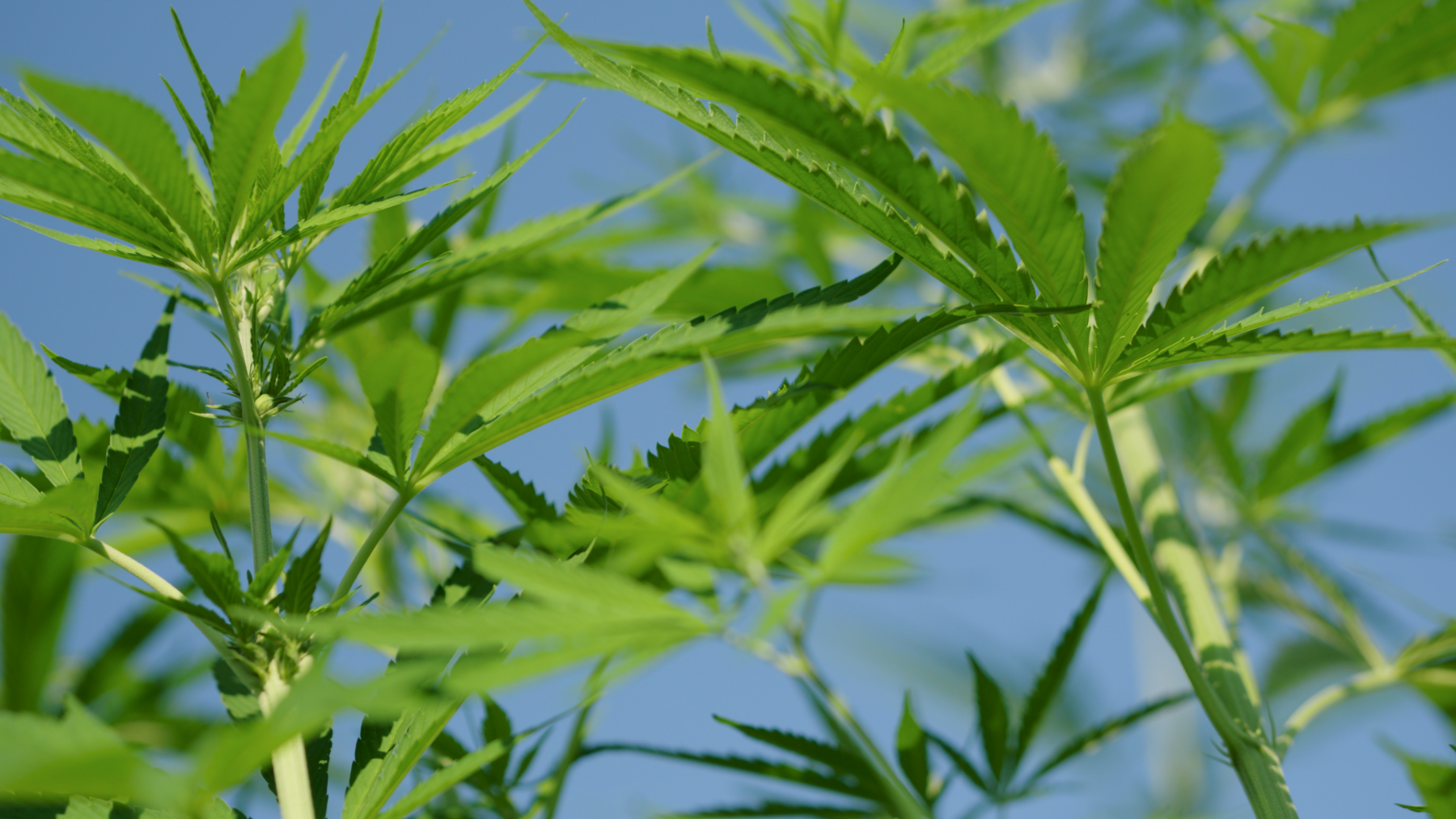
So our cultivars that we’ve been breeding here are actually high-CBD. But also, we’re growing it for grain. We’re not selling flower.
I think that’s a big part of the problem, is THC flower.
But what we’re doing is we’re separating the biomass from the grain, and we’re creating a market for the grain, but we’re also creating a market from the hemp biomass, which has the cannabinoids.
Some of these varieties have 35% cannabinoid [content] but still the legal amount of THC.
And this is all grown outdoors. We’re not growing indoors [unclear] in the system.
So the system that they’re trying to introduce is going to push everyone into the canopy limit inside. And we just don’t think that’s going to help farmers in the long run, because a lot of farmers don’t grow inside.
We also don’t think that these canopy limits—you know, everyone’s going to be growing for flower to meet that market—and that the trimmings alone are not going to meet alternative markets such as dog treats, topicals.
And if we’re still allowed to sell topicals to Walmart, which I believe we should be able to because it’s a nontoxic product, I mean, that’s a lot of cannabinoids, and that should be coming from the farmer.
So we’re trying to give the farmer a triple cultivar, which is not only the grain, but then you get the stalk, which you could chip up, use as mulch, or we’re trying to create opportunities for plastics. We can hammer-mill it up.
But then the cannabinoid becomes that third essential—the premium revenue for the farmer—to also meet the needs for these other markets, because the grain and the biomass market from the stalk are very low-margin but high-quantity.
And we really don’t have the processing here for that here.
00:10:34
GRAHAM R.
The second that I’m not able to sell anything, they’re going to go online. I’m going to lose them immediately.
And that’s everybody in Virginia, down to the dog treats. I mean, everything is gone.
Anything over two milligrams of THC per package is gone.
I don’t want to have to break the law to provide them with a product, but I’m also not able to buy the ingredients to make the products because I’m going to be considered a criminal immediately.
It’s very disheartening when you’re trying to help people every day to not be able to give these people the products they want, and not be able to give them access to the products they want.
To not be able to give it to somebody you just did the day before, you know, will be a hit and a blow itself.
I think you put a lot of sour taste in people’s mouths who could otherwise have been great partners to work with.
So I think the state government’s got a black eye from this whole experience because they just didn’t listen to the people on the ground.
There is not anybody on my wholesale accounts that wants to buy and carry inventory into August 15th now.
And so they have been, since January until today, bleeding us dry.
And being proud of what we built, but watching it get torn down from the government for just a handful of people, is the most bullshit I’ve ever been through.
And to have a team that doesn’t want to quit but knows that there’s an eminent domain of, like, “What do we do? Am I going to have to go get another job?”
I can’t guarantee anything right now, and I just know that I have potential to go to jail for life.
Come August 15th, you take two steps in any of my operations, and I have over the 50-pound limit of THC that will take you to literally jail for life.
And my consumer goes and gets a misdemeanor charge for buying from me now, which is just messed up.
00:12:29
COREY R.
So we have a lot of customers that come in just for pain management, just trying to make it through the day, just trying to go to sleep.
You may see one week with the arm cast on, or you may see someone just getting out of the hospital.
We have customers come in here with little hospital bands still on them.
And whether they need extra help, or sometimes it’s just issues with not being able to get an extra Tylenol or to get that extra support at the hospital.
00:12:54
GRAHAM R.
The efficiency of taking a new product to market under the new standardization is impossible.
And that’s where it’s like, okay: standardization needs to be age-gating, needs to be childproof. Do not market to kids. Don’t sell to kids.
And then what is on the label is what’s in the third-party test, and nothing less.
That is what standardized needs to be.
The consumer, 21 and up, can make their own damn option. It’s their choice to consume what they want to put in their body. What’s the problem?
That’s what we’ve always wanted, is just clear, fair regulations so people know what they’re consuming, so they can kind of figure out what works for them.
And I think when the state kind of comes in and starts to make decisions for people, you have unintended consequences.
00:13:39
JOE D.
I like to take a back seat in all of this. Graham’s given me a platform to pursue my passion.
You know, these are Graham’s customers. And I would want to tell Graham’s customers that you don’t have anyone that’s working harder to do the right thing.
And the funny thing is, his customers are people that work for law enforcement.
Customers are people that work at the General Assembly. His customers are people from all walks of life.
He’s getting calls every day saying, you know, “We hate to see this happen to you.”
But because everything’s happening in a black box, it’s hard to fight something where you’re not given the audience, especially from the decision-makers, to convey the customer sentiment.
00:14:21
COREY R.
We’re not here to hurt anybody.
I do understand that the vape shops, or smoke shops as they’re traditionally called, do sell a lot of different products.
But coming from someone who works for a hemp-specific business and has a hemp farm, it’s very disheartening when you’re trying to help people every day.
Be open. Look at the laws again. Come to a real hemp business like ours.
See the way we operate. Check out our products.
The majority of everything in the shop is from Virginia, and we definitely pride ourselves on not only American products, but Virginia products, so that we are compliant in the state.
After 2023, the national market left Virginia because they didn’t want to formulate a 25-to-1 product solely for Virginia.
So there’s only been a handful of the growers and processors who stuck it through—complied and stabilized with the new laws.
00:15:05
GRAHAM R.
After 2023, we created the Cannabis Small Business Association to help fight for all things cannabis, small-business-wise.
We as a company have been trendsetters because we’ve been around so long.
But at the same time, we are doing it for the consumer, we’re doing it for the industry, and we don’t mind investing hard in lobbying and educational purposes to just give us a chance to survive.
This can be a dual market.
Recreational marijuana and hemp can survive together.