The Forgotten Hemp Lifeline of the American Revolution: The Story of Virginia’s Warwick Public Rope Walk
History often remembers battles and statesmen, but many of the forces that secured American independence operated far from the battlefield. One such story is the Warwick Public Rope Walk, a largely forgotten Revolutionary-era manufacturing complex that once stood along the banks of Virginia’s James River.
A Revolutionary Industry Hidden in Plain Sight
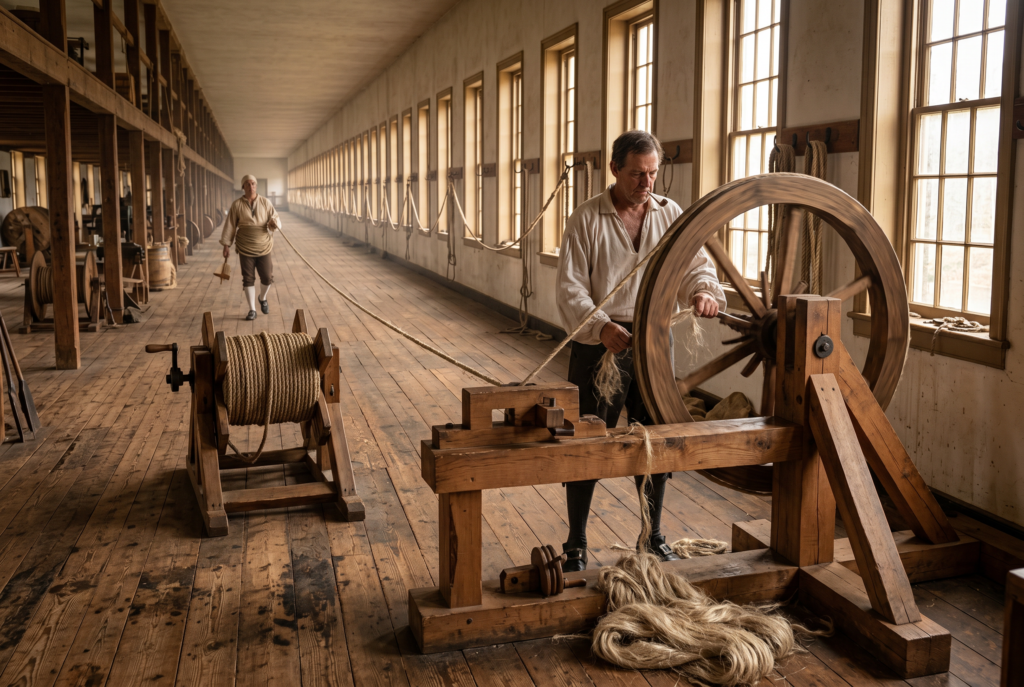
When Virginia entered the fight for independence in 1776, its leaders faced a critical challenge. The colony’s primary rope-making facilities were located in Norfolk, a coastal city vulnerable to British attack. To protect this vital industry, Virginia relocated its public rope walk inland to Warwick, near present-day Richmond.
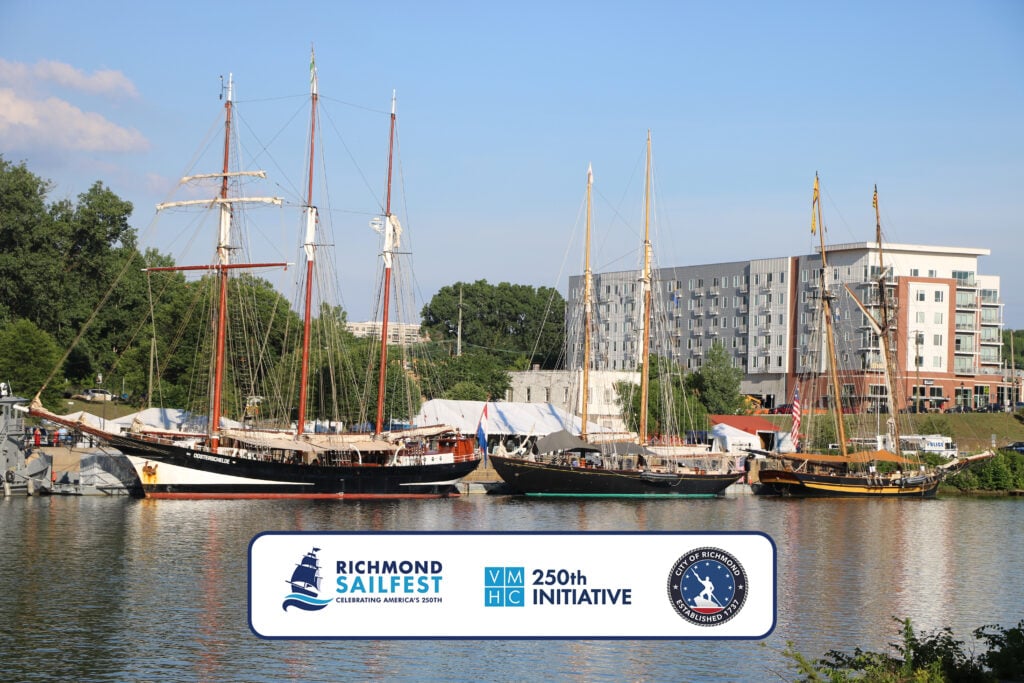
In the Age of Sail, rope was as essential to a warship as cannon or powder. Every vessel relied on miles of cordage for rigging, anchors, and sails. Without rope, ships could not sail. Without ships, naval operations could not continue.
At the center of this production was hemp.
Hemp as a Strategic Resource
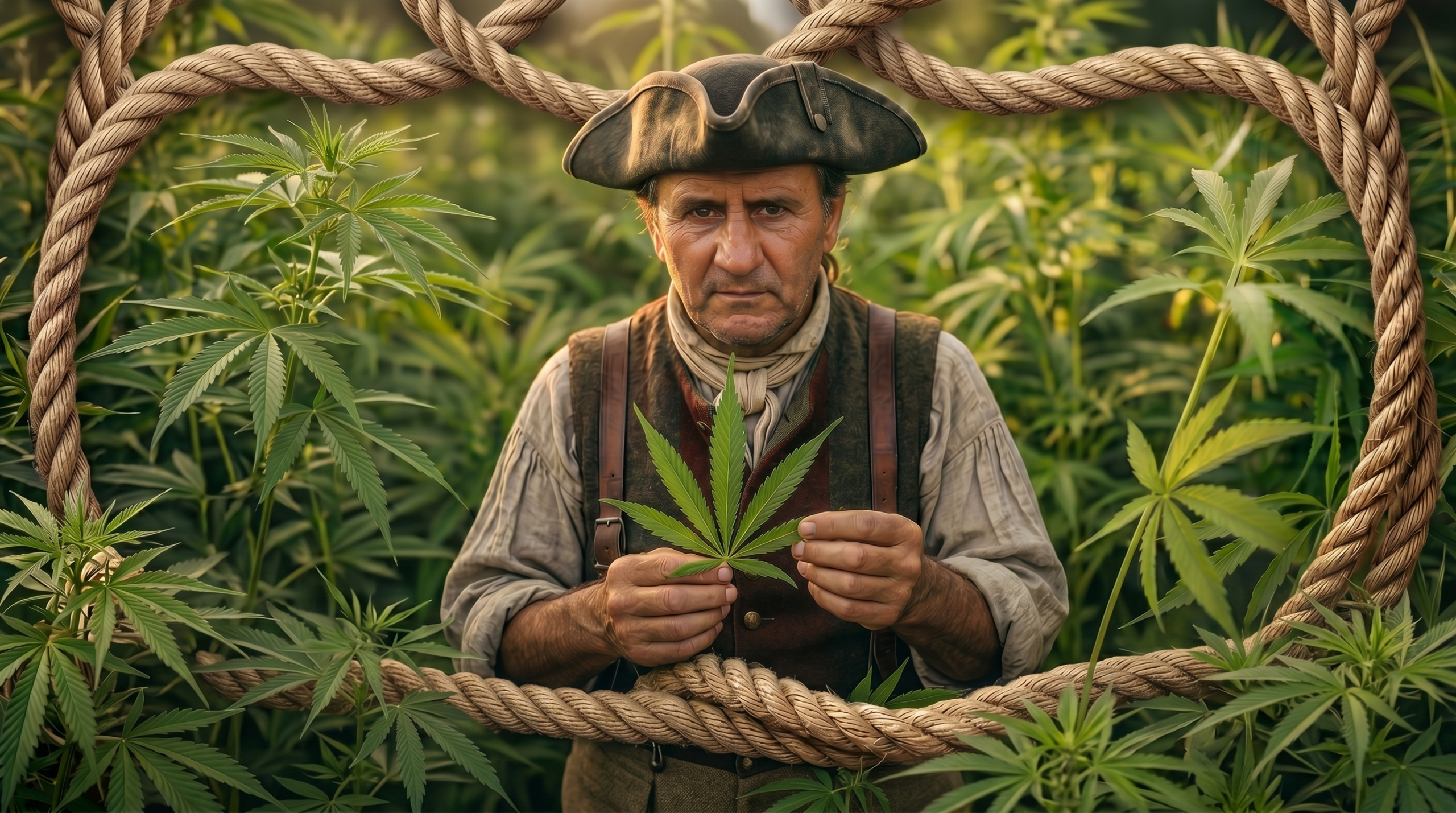
For generations, Virginia farmers cultivated hemp for textiles, sailcloth, and cordage. During the American Revolution, however, hemp became a strategic resource essential to the Patriot cause.
At the Warwick Public Rope Walk, hemp fiber was transformed into the durable cordage needed to outfit Virginia’s navy and support private vessels operating against British forces. The facility became the Commonwealth’s primary source of naval rope production, making hemp an important contributor to American independence.
The story of Warwick reminds us that the Revolution was fought not only on battlefields, but also in shipyards, workshops, warehouses, and hemp fields.
Destruction and Legacy
By 1781, British forces under Benedict Arnold advanced into the region. The Warwick manufacturing complex stood directly in their path.
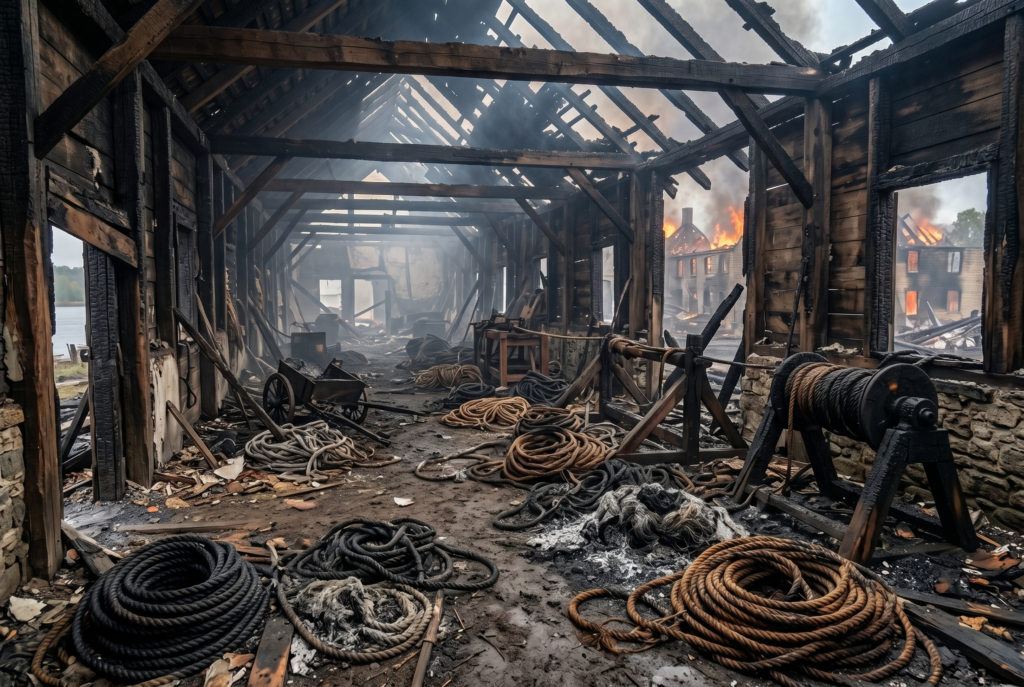
The British burned Warwick, destroying ships, warehouses, mills, and the rope walk itself. Today, little physical evidence remains, but its legacy endures as a powerful reminder of hemp’s role in the struggle for American independence.
Why Preserving Hemp History Matters
Stories like Warwick reveal how deeply hemp was woven into America’s economic, industrial, and military history. Yet many of these foundational stories have faded from public memory.
At Redfern Hemp Co., we believe preserving these forgotten chapters is essential to restoring America’s lost hemp culture. The future of hemp cannot be built on products alone—it must also be built on history, education, and a deeper understanding of the role hemp played in shaping our nation.
Through partnerships with organizations like the Virginia Hemp Museum, we are committed to researching, documenting, and sharing these overlooked stories with future generations.
Most importantly, every purchase you make from Redfern Hemp Co. helps support this mission. Your support helps fund historical research, educational content, preservation initiatives, and the ongoing effort to restore hemp’s rightful place in American history.
Help Preserve Virginia’s Hemp Heritage
The Virginia Hemp Museum is actively working to uncover, document, and preserve the stories that connect hemp to Virginia’s history and the broader American experience.
If you have historical knowledge, family records, artifacts, photographs, research expertise, or simply a passion for preserving Virginia’s hemp heritage, we’d love to hear from you.
Contact: research@redfernhemp.com
Together, we can ensure these forgotten chapters of American history are preserved for future generations and continue rebuilding the foundation of America’s hemp culture.
For more source documents from the Warwick Public Ropewalk, please visit the Virginia Hemp Museum link below!